Afterglow
A Speculative Artifact Depicting Disco’s Lost Future
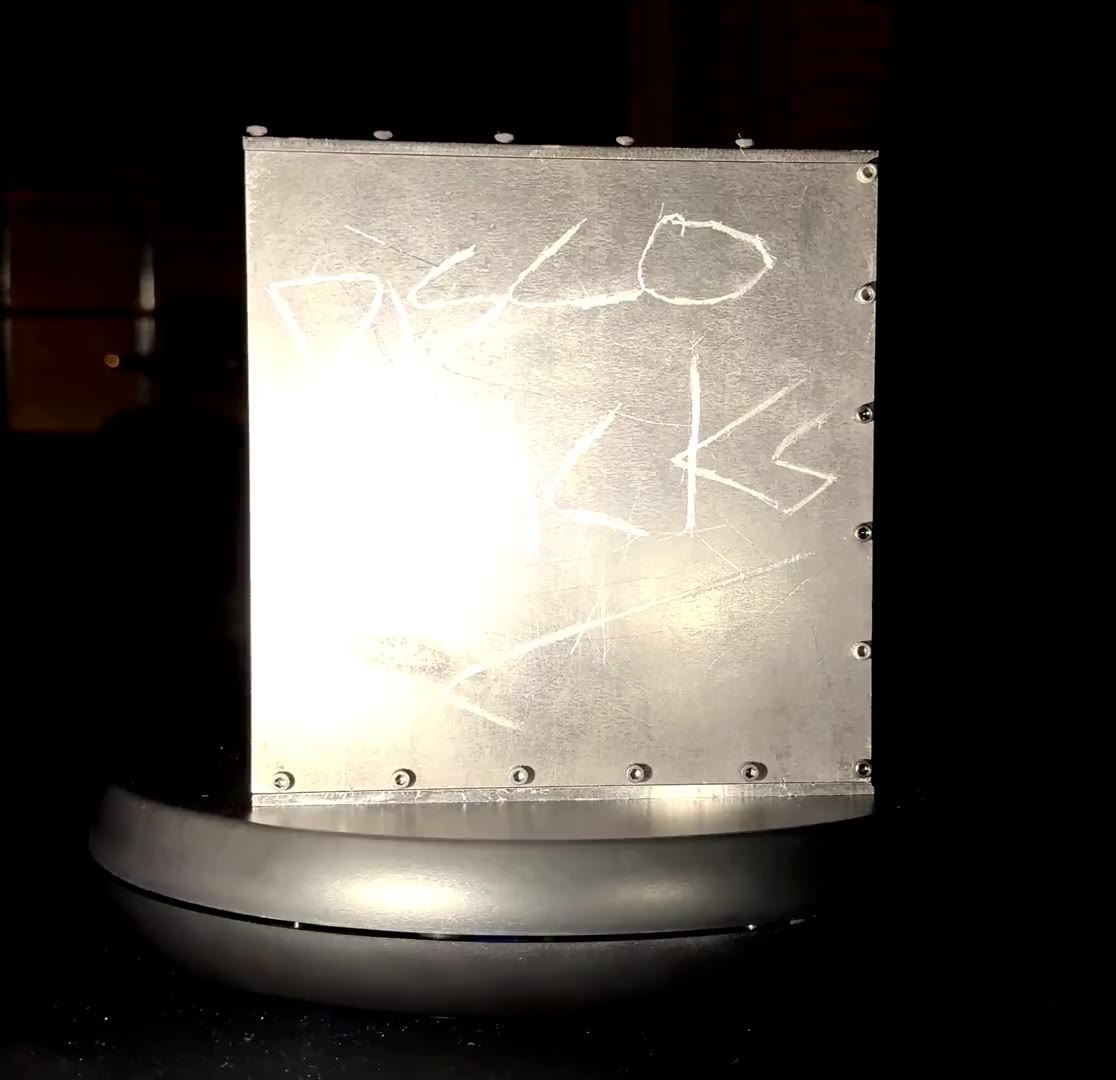
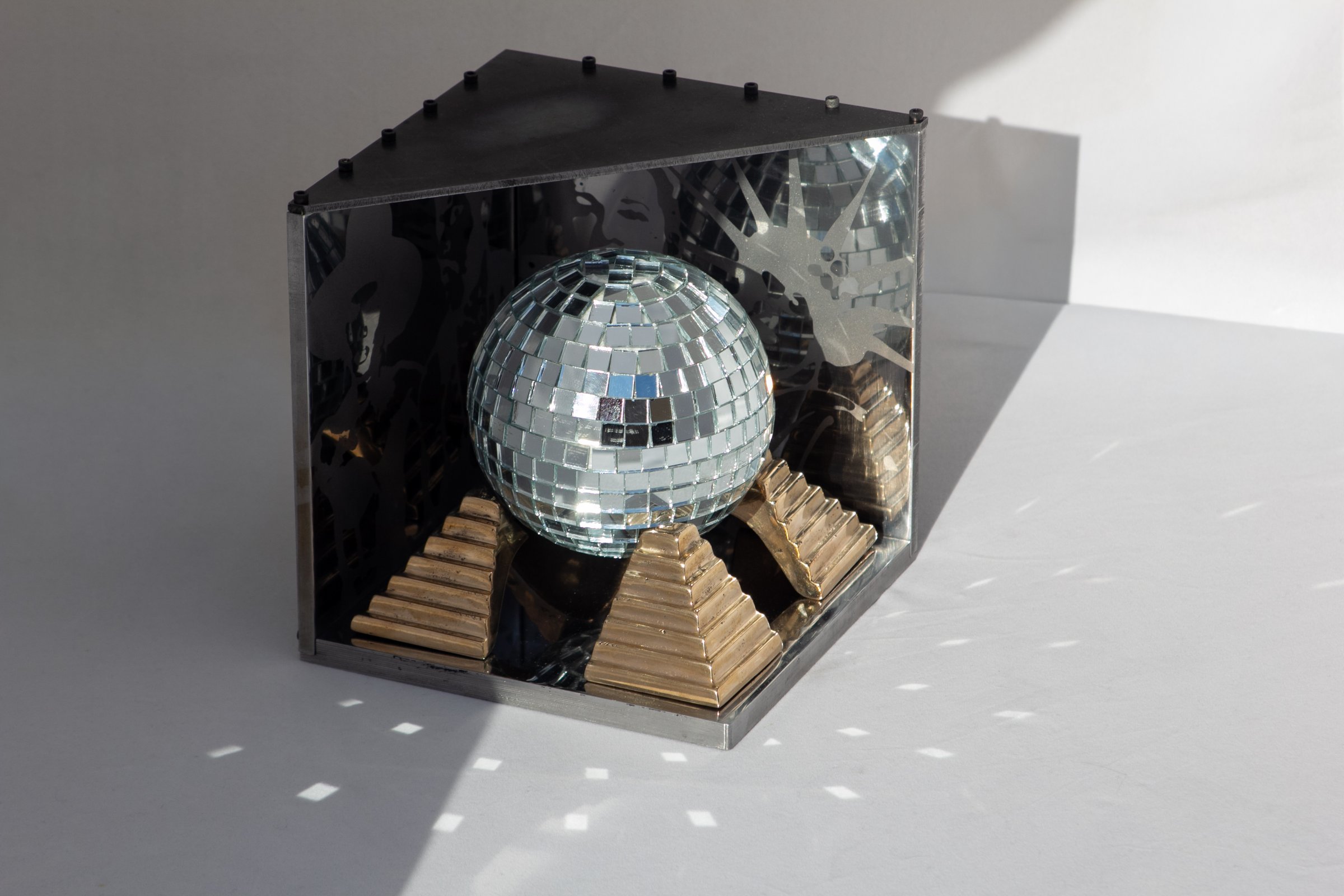
Sandcast bronze and welded steel, torched outside and mirror-polished inside: disco preserved against the night 50,000 people burned its records.
The rupture
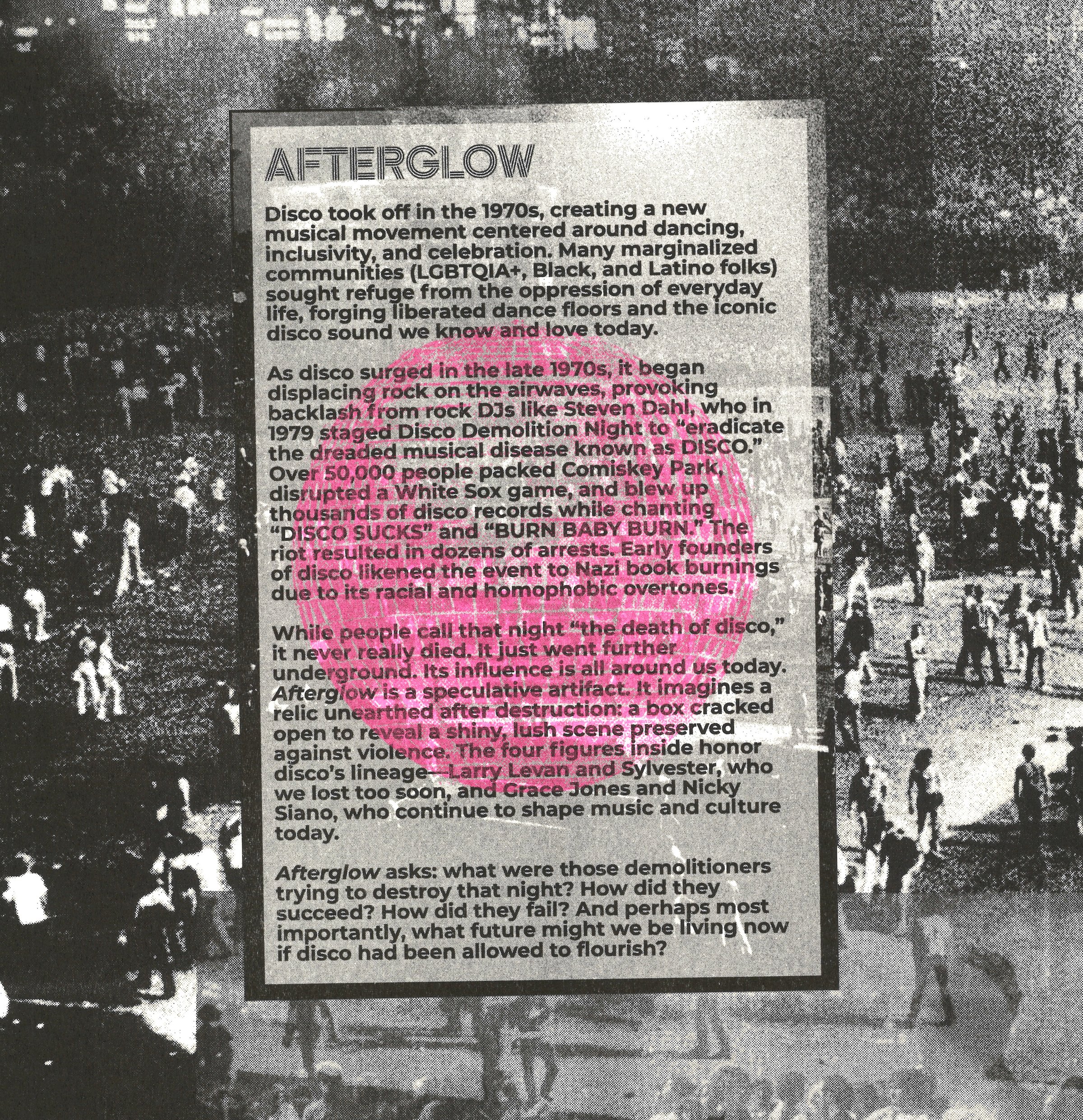
On 1979’s Disco Demolition Night, 50,000 people packed Comiskey Park to destroy disco records. Early disco founders likened it to book burnings for its racial and homophobic overtones. Afterglow imagines disco as a relic unearthed after that destruction.
Turning a counterfactual into form
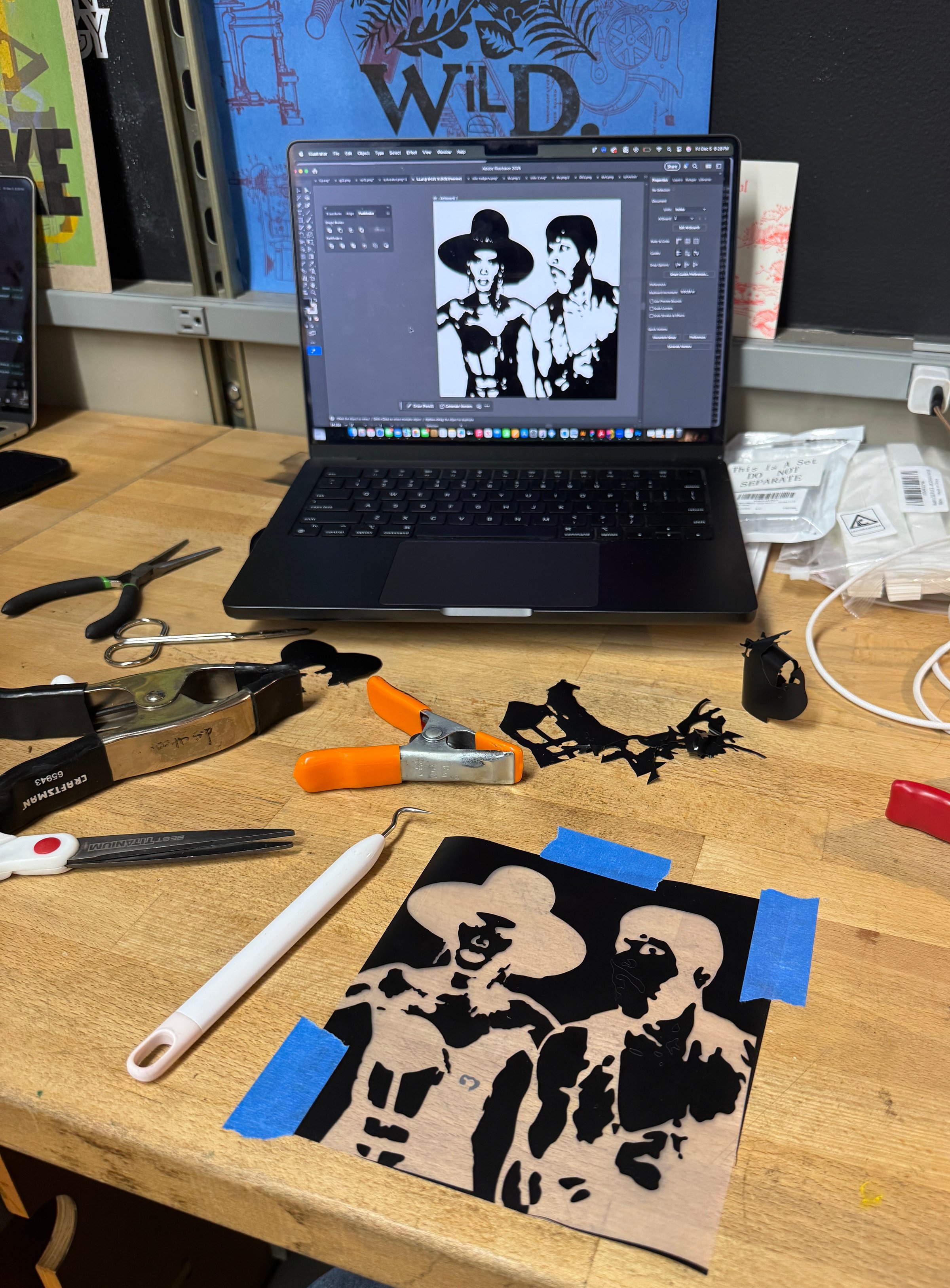
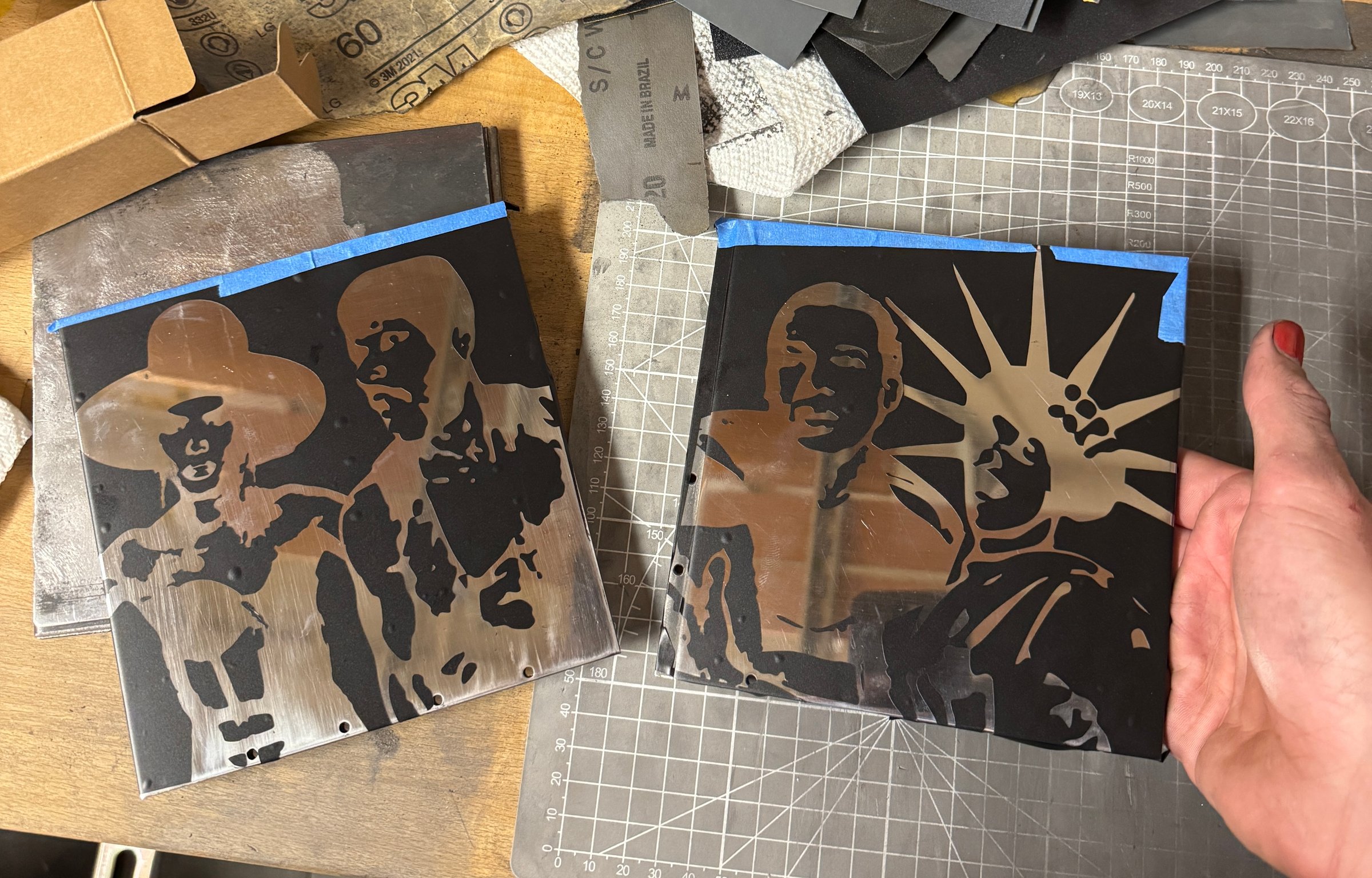
I wanted the object to emulate two versions of disco at once: the violence directed at it by the outside world, and the world still glowing inside. The exterior is scarred, rough, and burned; the interior is polished and devotional. Four figures—Larry Levan, Sylvester, Grace Jones, and Nicky Siano—sit inside that preserved afterimage. The mothers and fathers of disco.
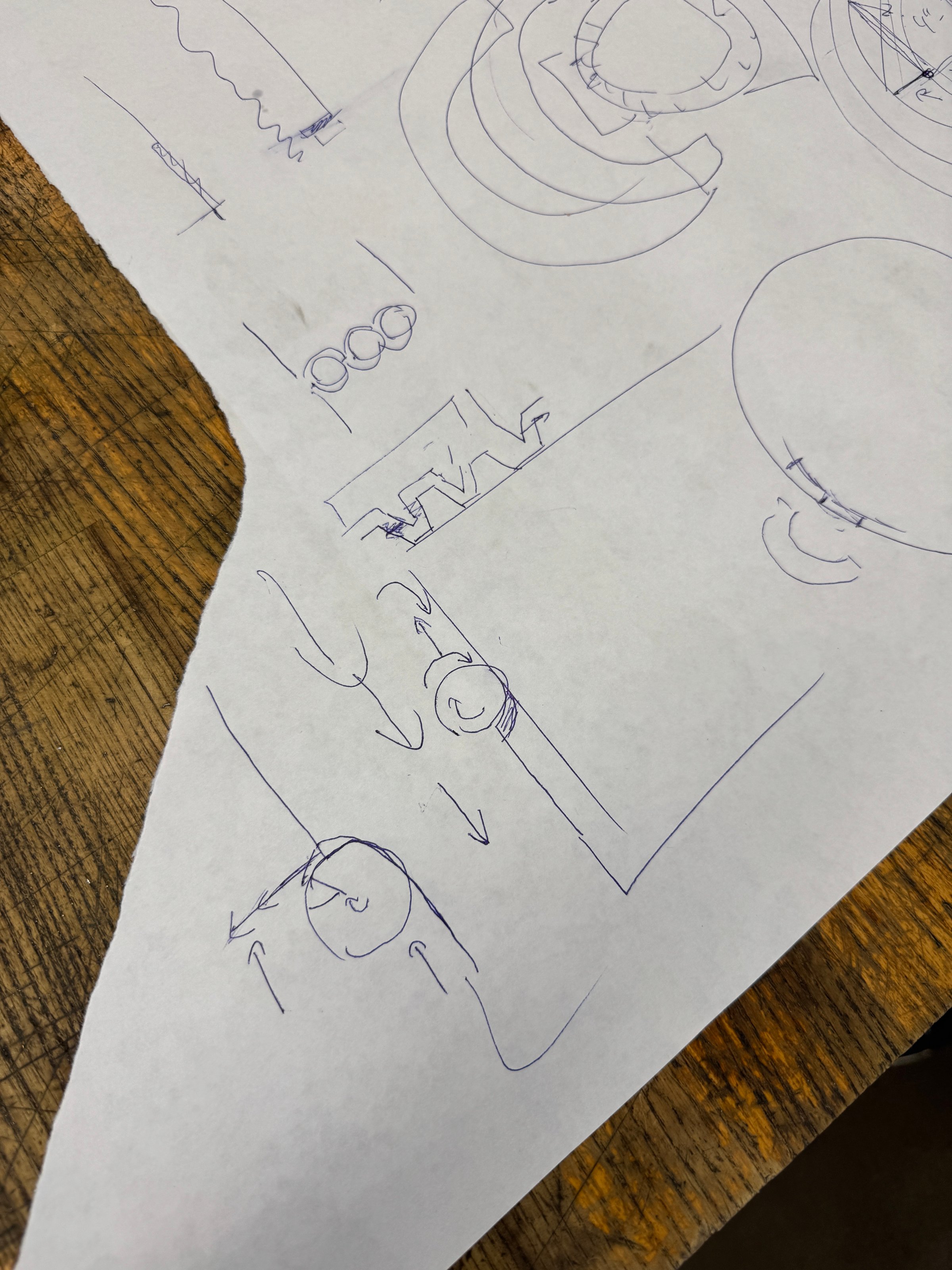
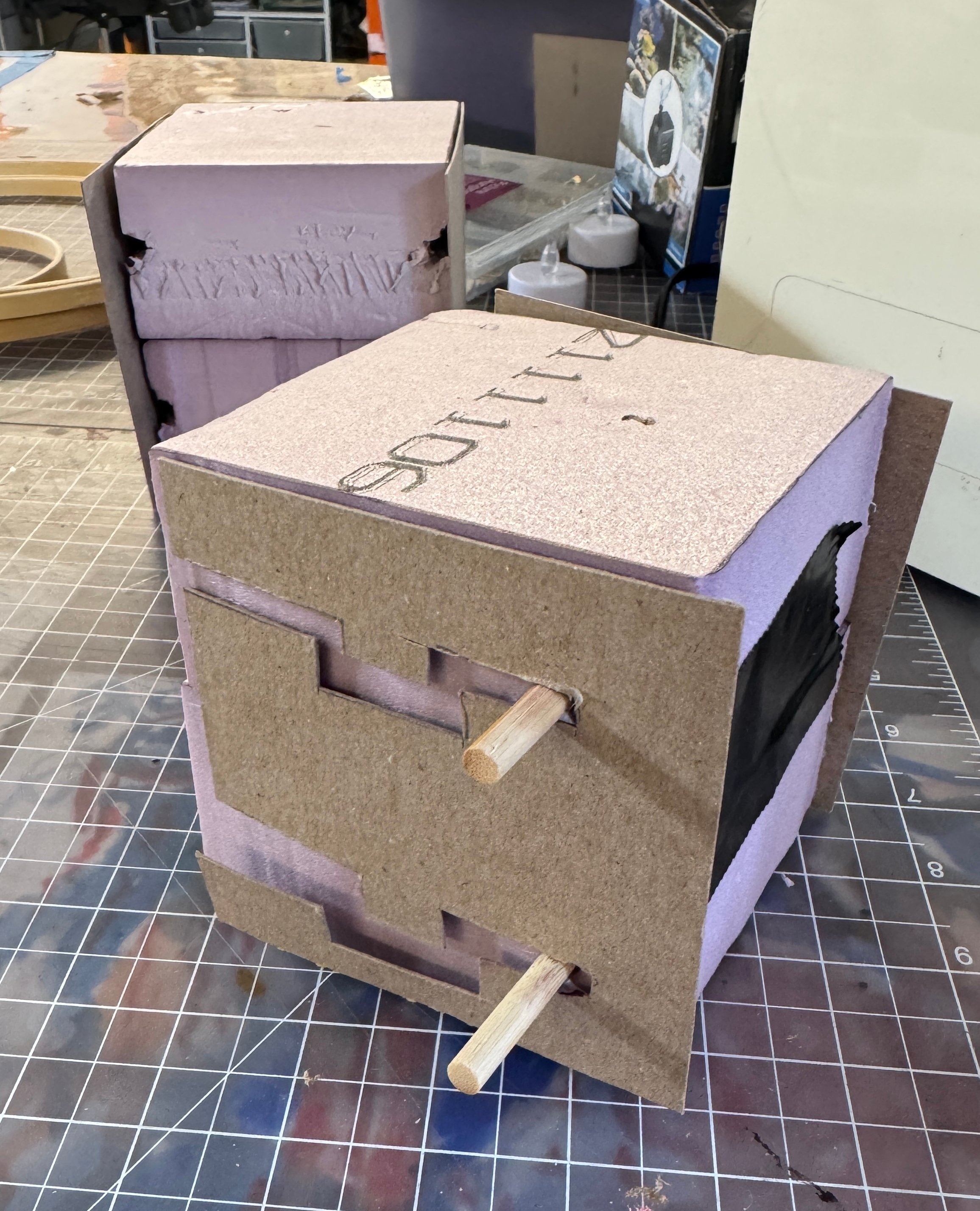
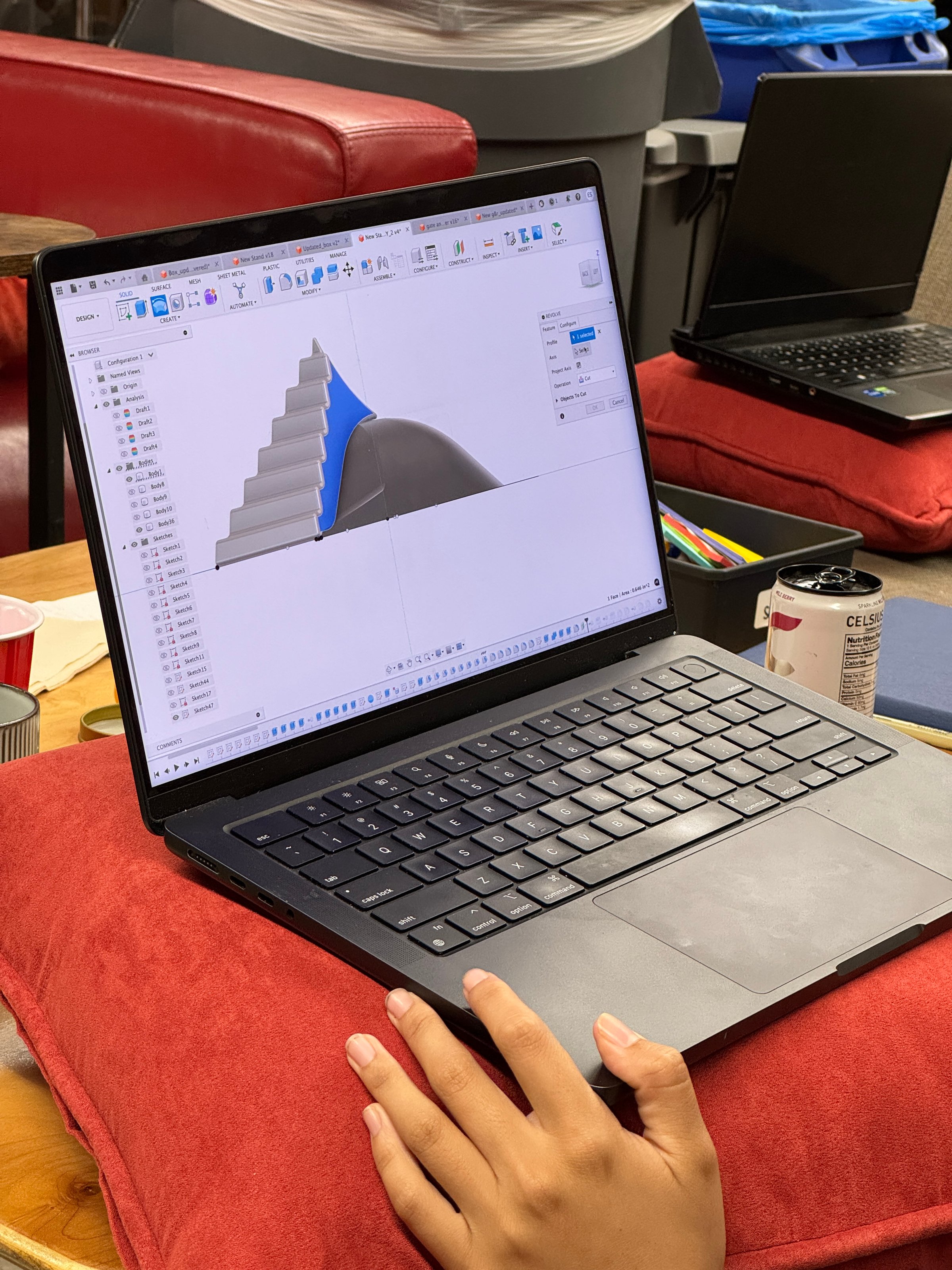
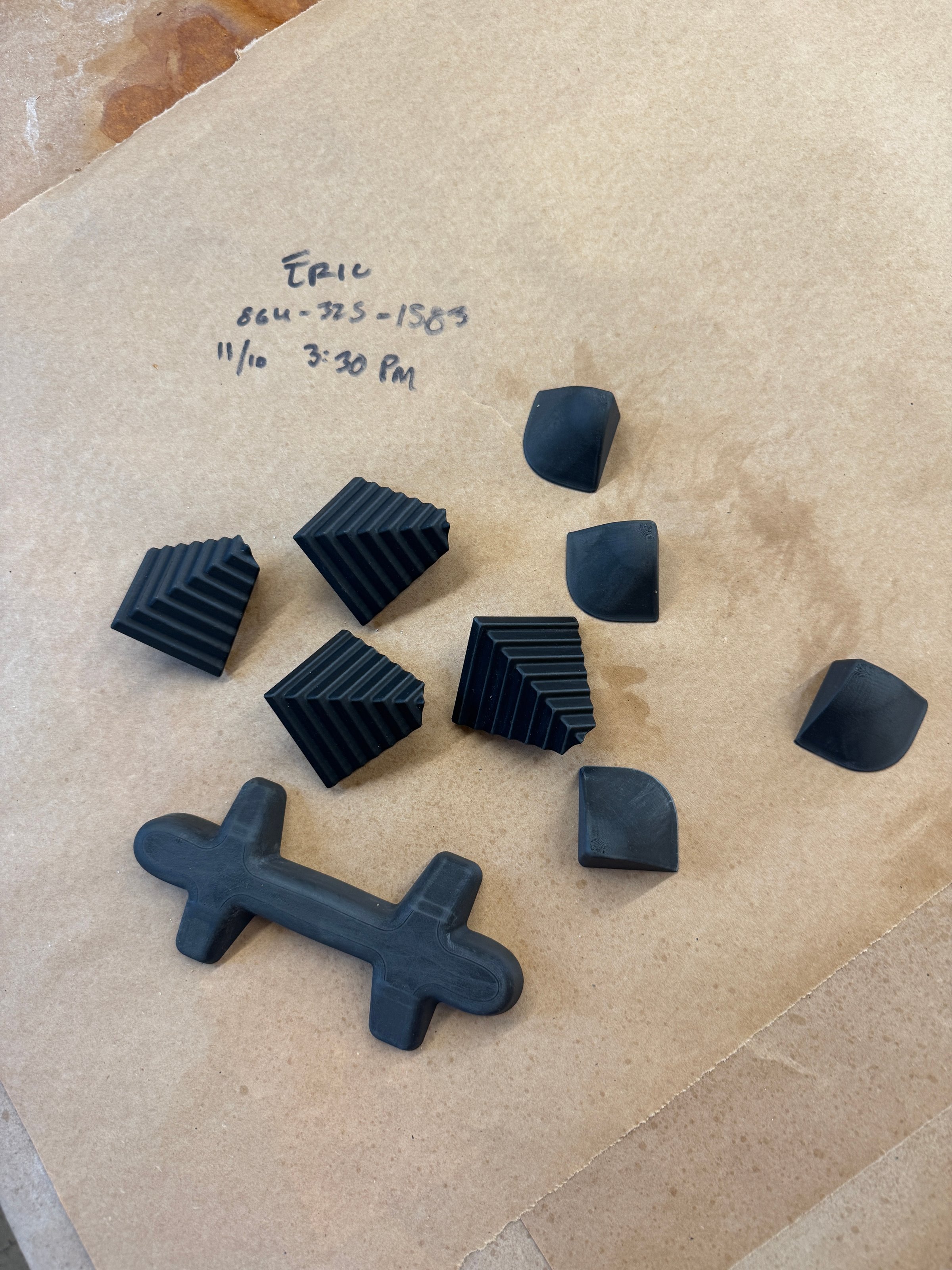
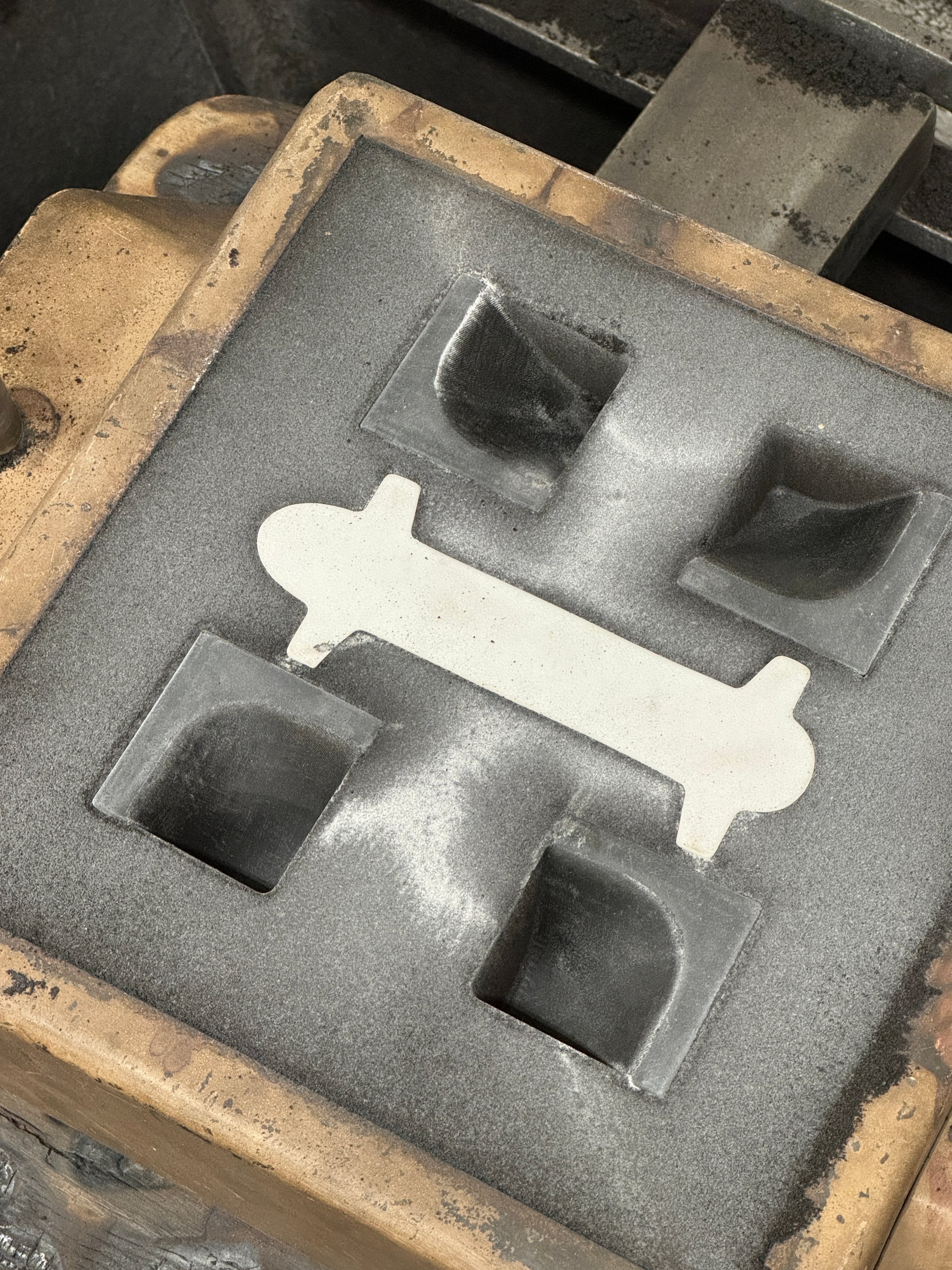
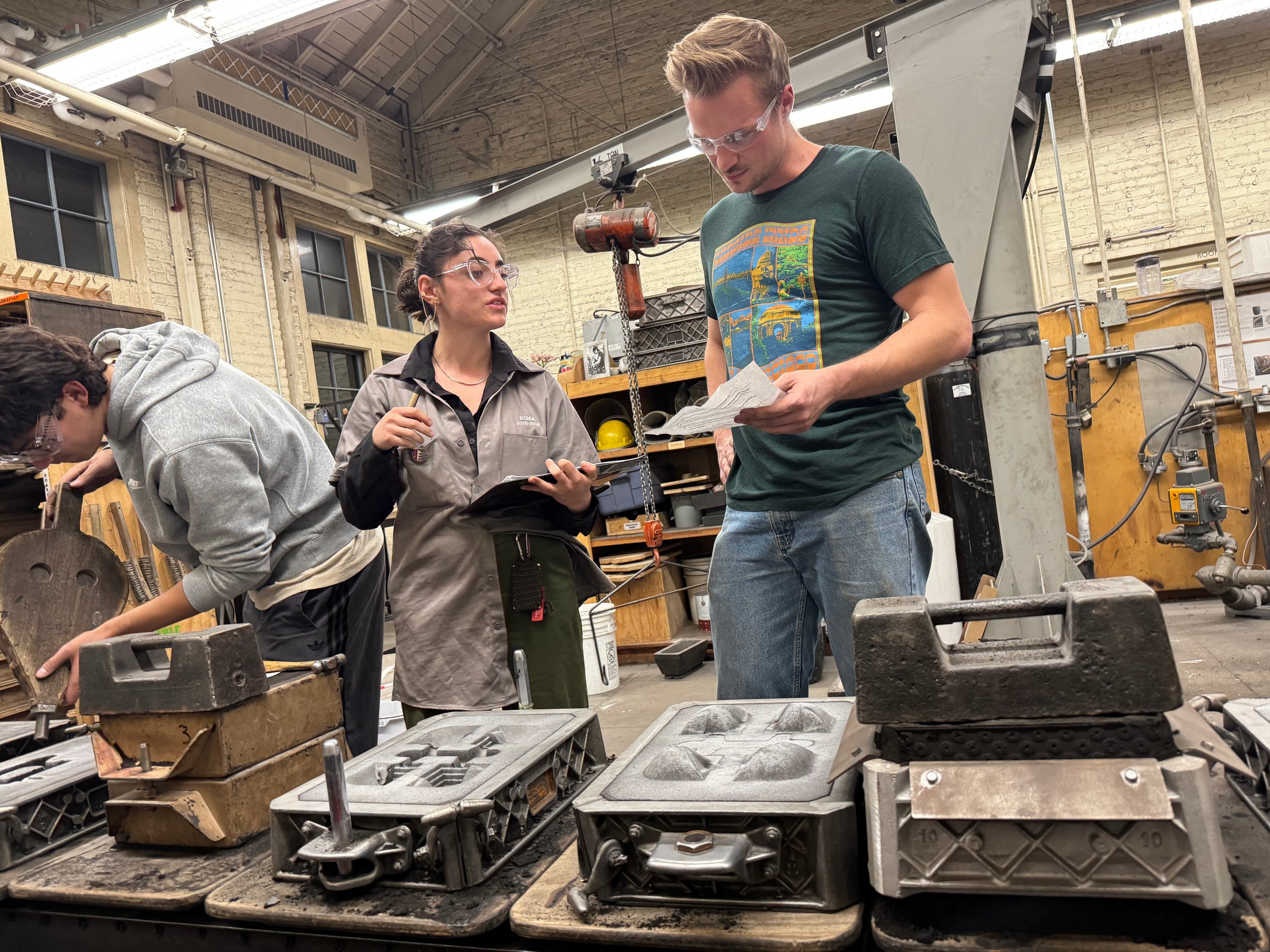
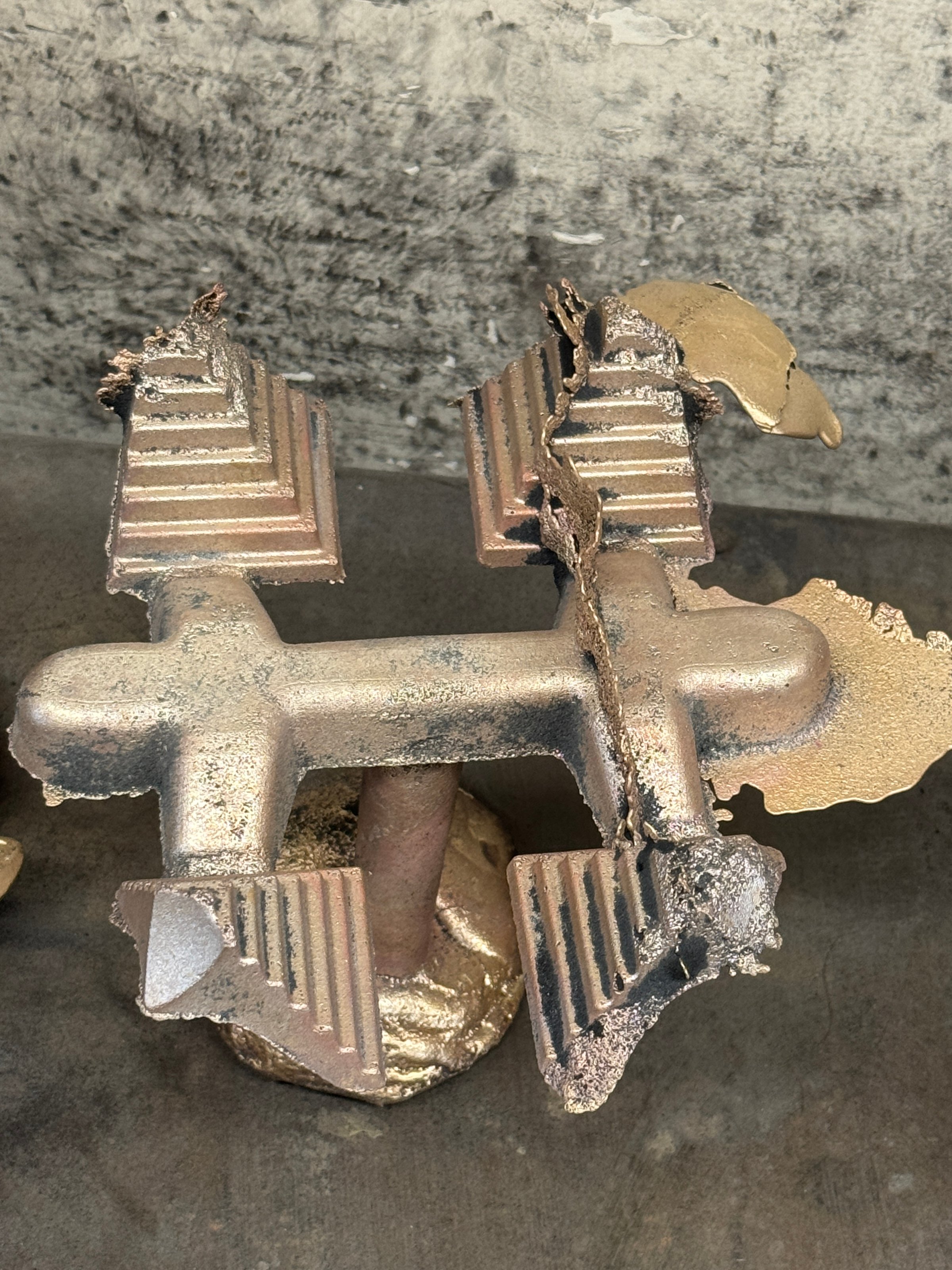
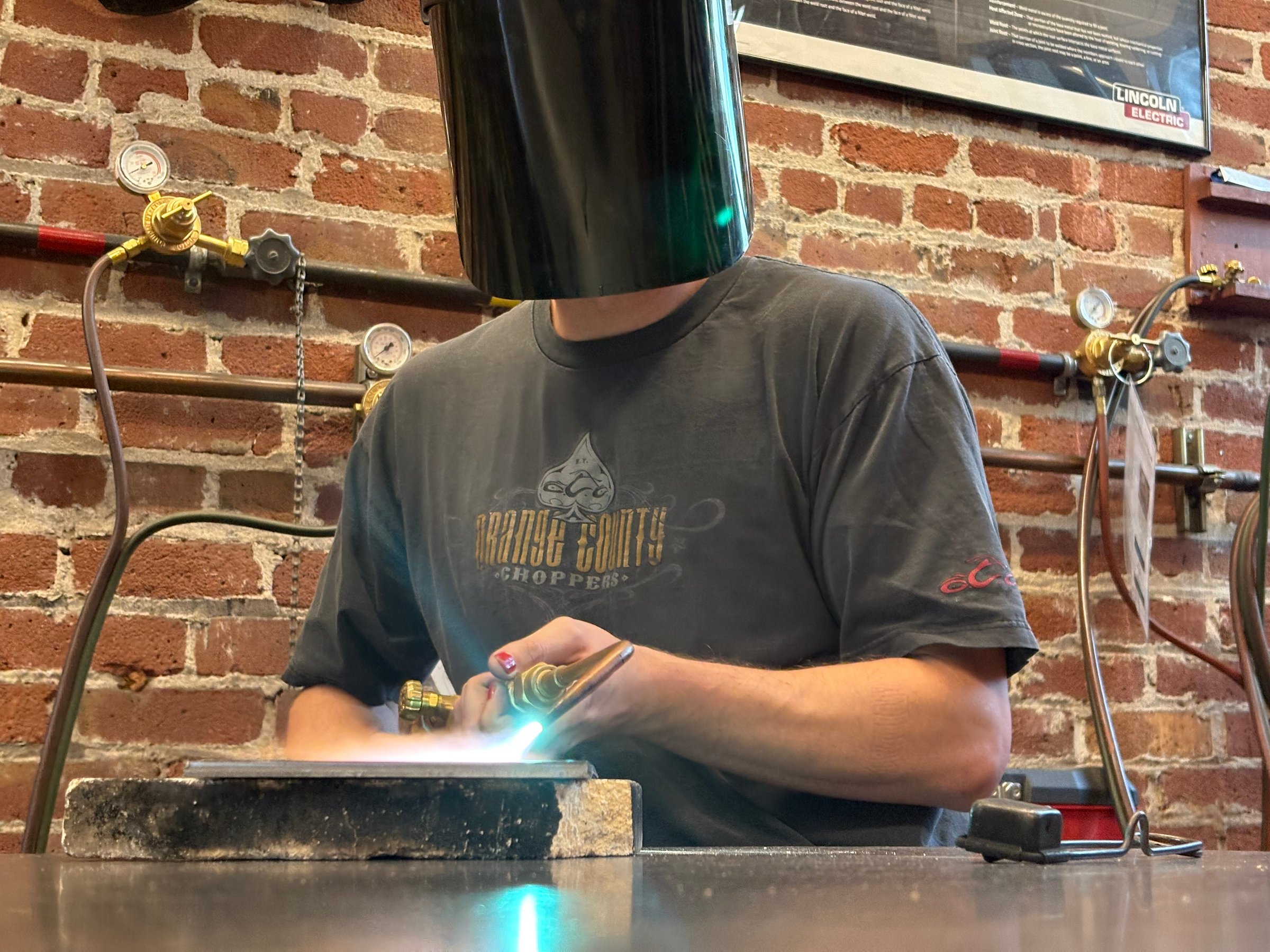
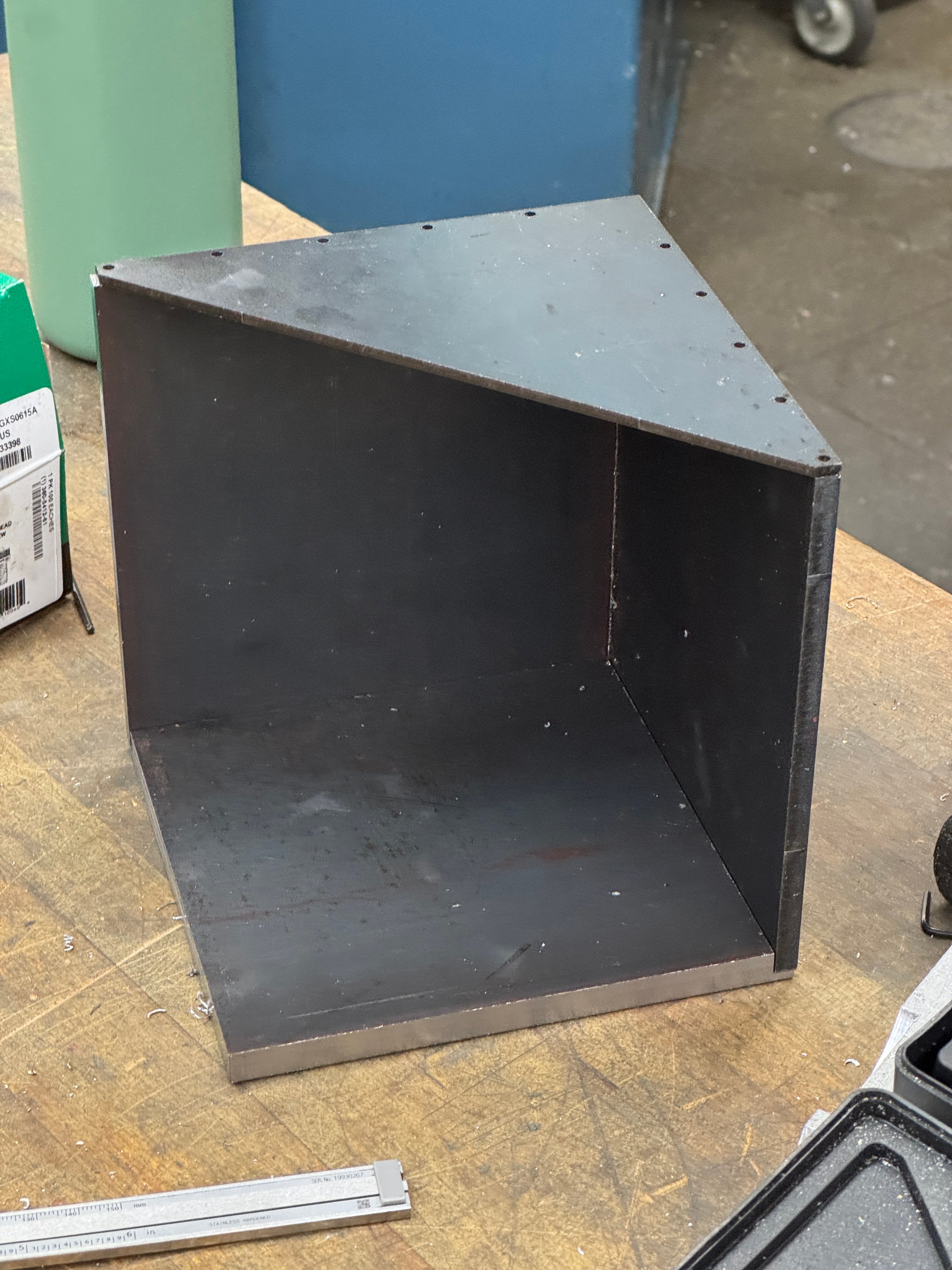
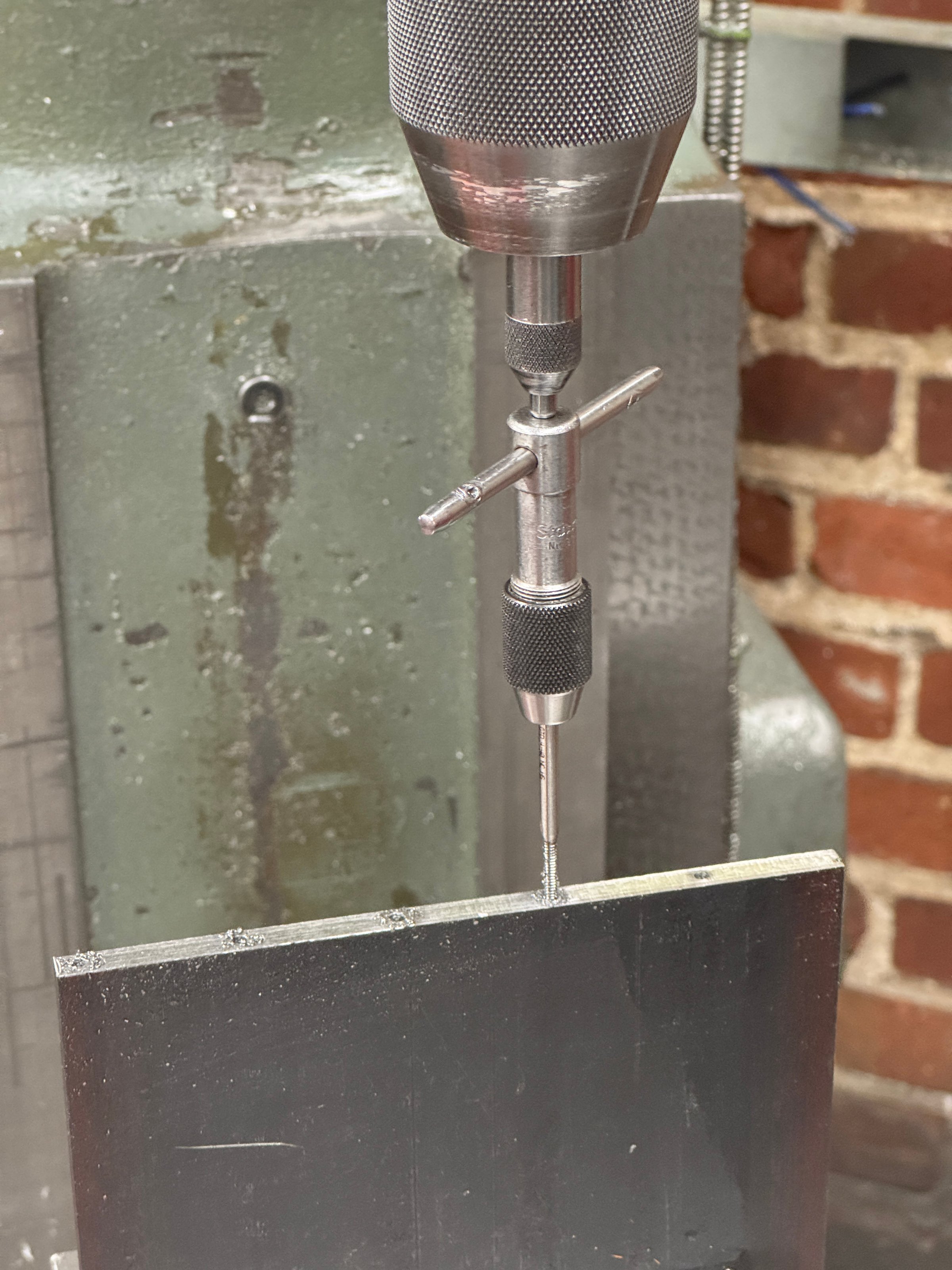
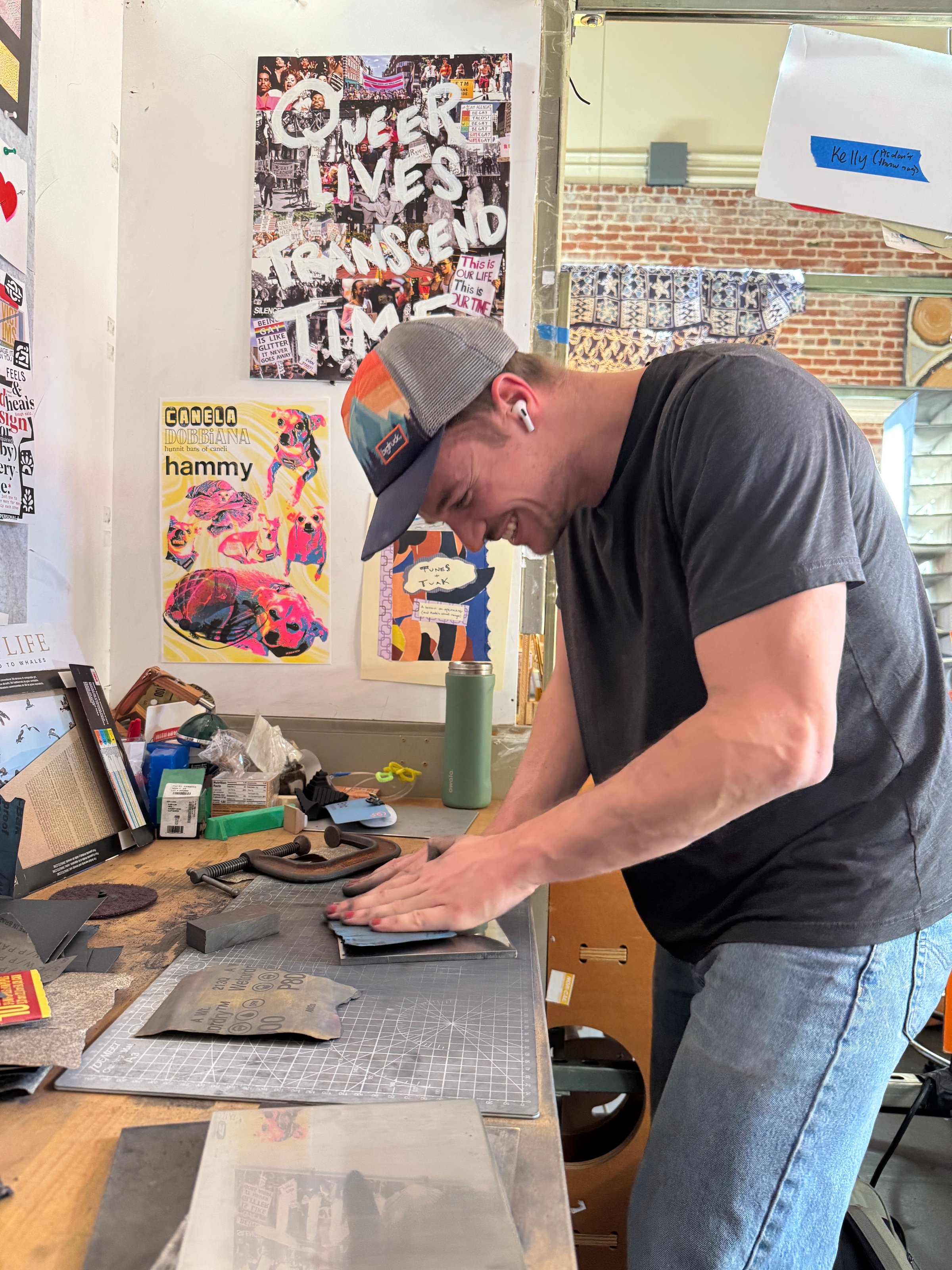
The box is milled and welded steel, torched outside and polished to a mirror inside, with the four figures bead-blasted onto its walls. The stepped pyramids at its base are sandcast bronze; the disco ball is acrylic and aluminum.
Afterglow asks: what were those demolitioners trying to destroy that night? How did they succeed? How did they fail? What future might we be living now if disco had kept growing?