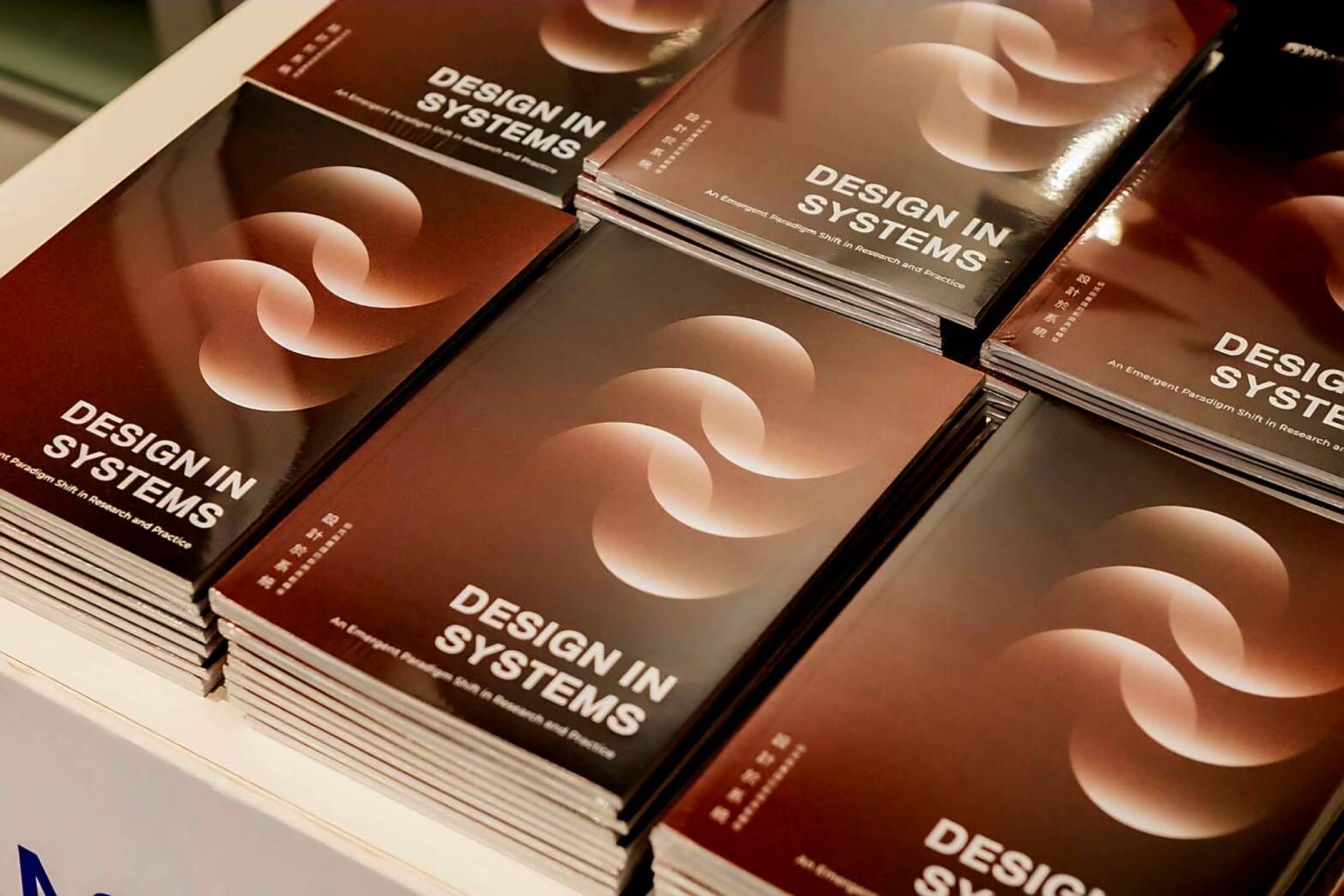
Design in Systems
An Emergent Paradigm Shift in Research & Practice
Co-authored and lead-designed an 80-page publication mapping an emerging shift in global design practice, synthesizing 1,600+ conference papers, 890+ design courses, and 240+ journal articles. Launched at IASDR 2025; Don Norman called it “a valuable contribution for all designers.”
At a glance
- Scale
- 1,600 conference papers, 890 courses, 240 journal articles
- Role
- Co-author · lead designer
- Methods
- Thematic synthesis · systems research · editorial design · data visualization
- Outcome
- 80-page publication launched at IASDR 2025; recommended by Don Norman for design education
A field in transition
In the summer of 2025, I joined the Research & Development team at the Taiwan Design Research Institute (TDRI) as a design researcher. TDRI had assembled an enormous view of the design field: 1,600+ conference papers, 890+ courses, and 240+ journal articles. Our job was not simply to summarize the corpus, but to identify the shifts underneath it and make them legible to both researchers and working designers.
Four of the shifts the publication traces across the field.
From artifacts to assemblages.
Design’s focus has moved from objects, to the people who use them, to the systems that hold both. The book calls this assemblage-centered design.
Participation as infrastructure.
Participatory and justice-oriented design works less like a workshop technique and more like infrastructure: lasting structures that let communities keep shaping what gets built.
Aligned intelligence.
As AI becomes a collaborator in design work, the people it affects need a real role in how it is governed.
Learning to navigate.
Design education has to teach systems competency, leading without formal authority, and futures literacy.
Turning a research corpus into a point of view
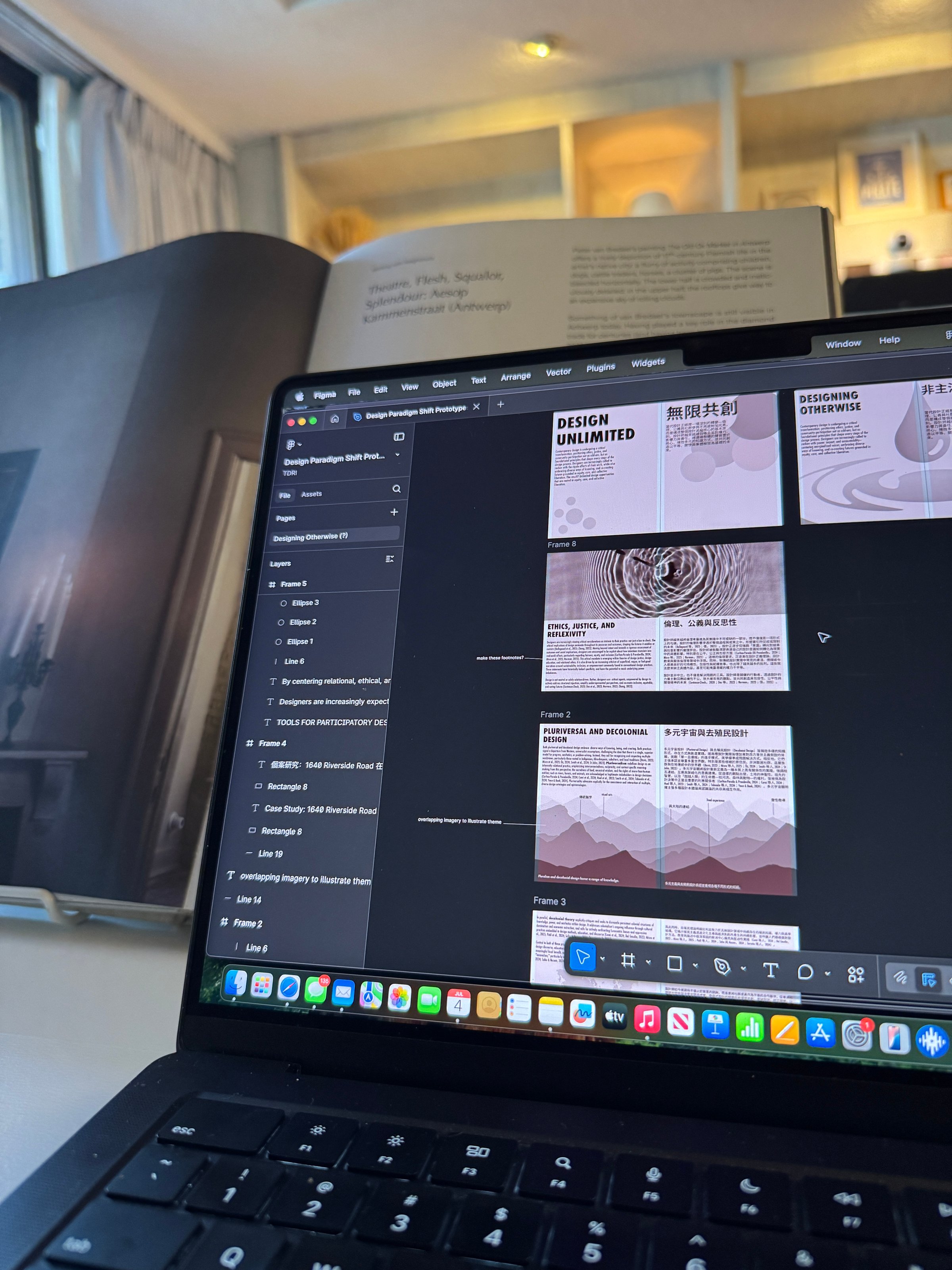
I worked with the team to shape six chapters from the themes emerging across the corpus, then turned the argument into a visual publication. The editorial challenge was to keep the work academically grounded without making it feel inert: polished enough for researchers, provocative enough that designers would stay engaged.
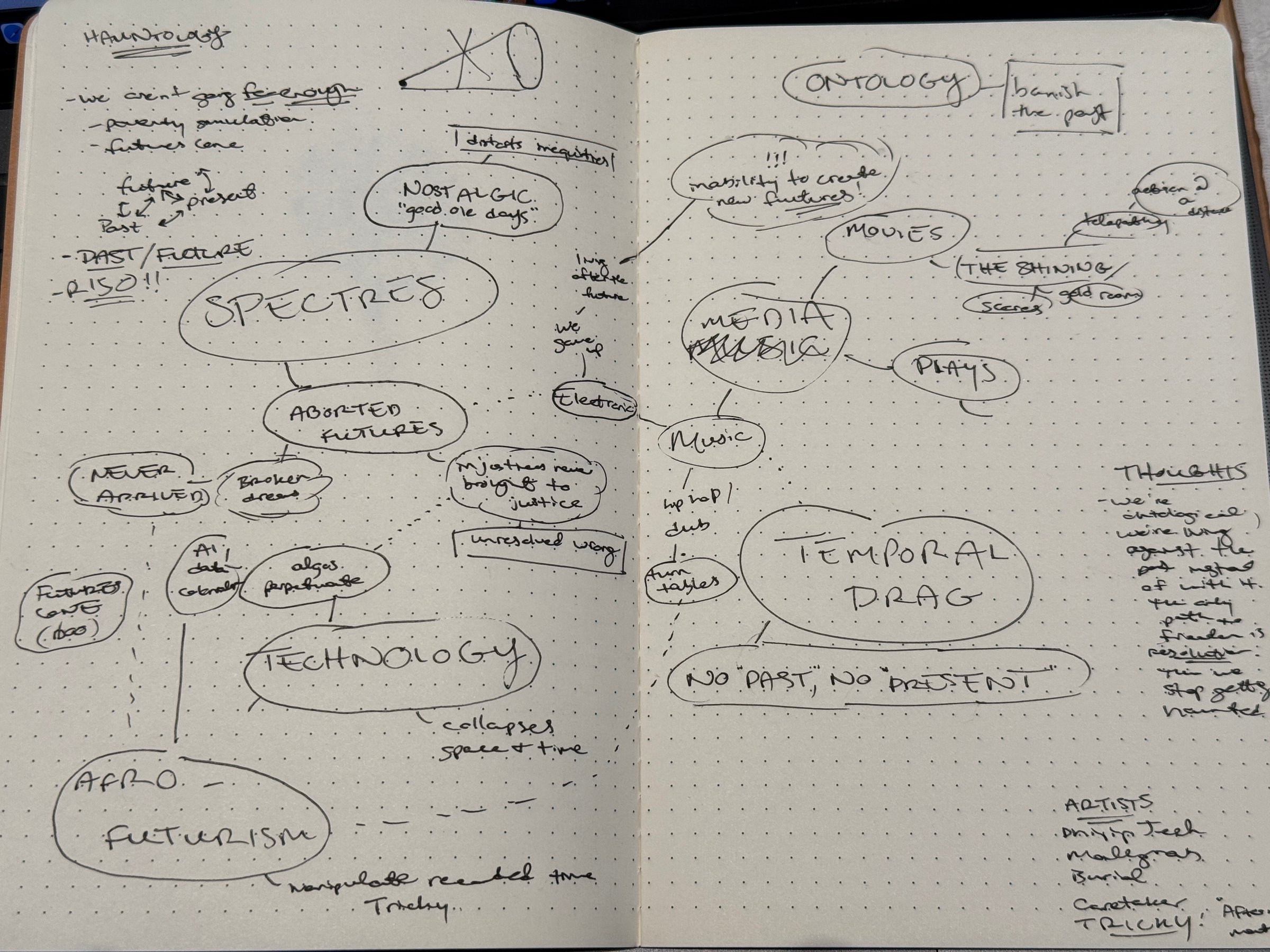
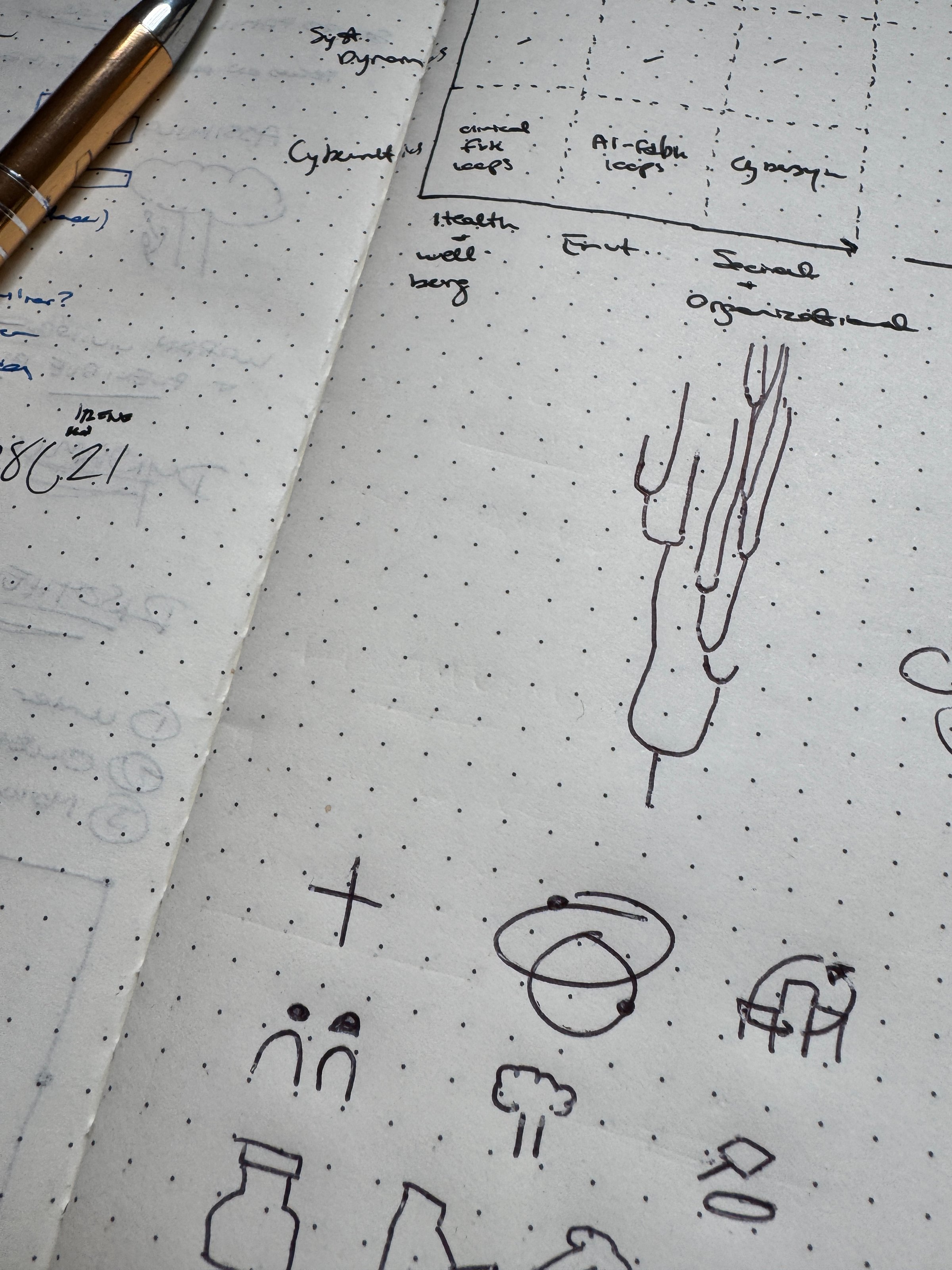
I sketched, Figma-ed, sketched again, InDesign-ed, then sketched again…you get the idea. The narrative and the visual system evolved together.
Launch in Taipei
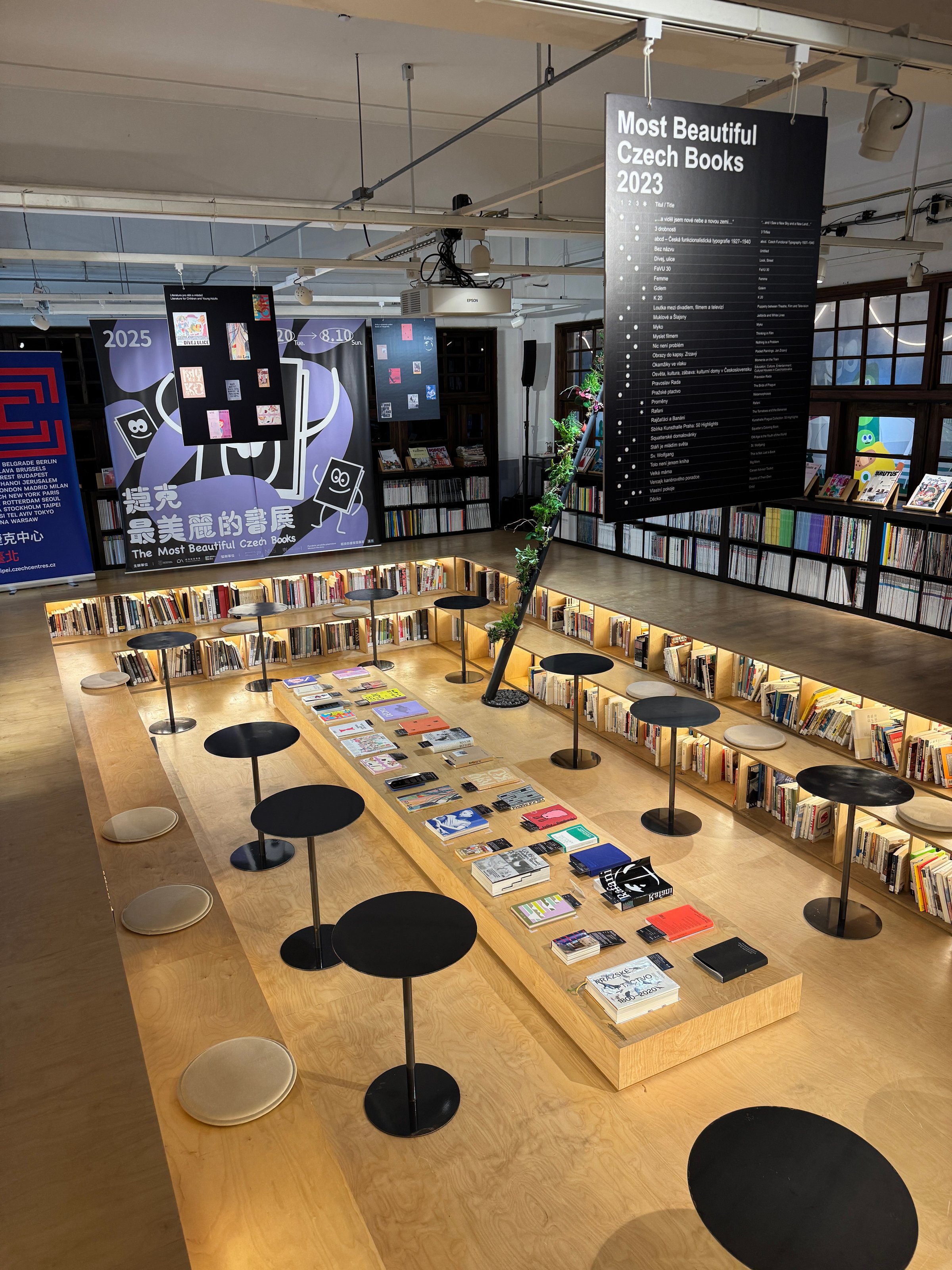
By the end of the summer, we had the entire 80-page publication. We sent it to an agency for final edits and printing, and then it was launched at the IASDR 2025 annual conference in Taipei. On his flight home to California, Don Norman reread the book and wrote to us: “This is a valuable contribution for all designers. It would make for an excellent text in schools.”

Flip through all 80 pages below.
Open on Issuu →This publication was a testing ground for everything I’d learned in my first year at Stanford: systems thinking, graphic design, and how to turn theory into something usable. The content feels like a manifesto because I believe what it says.