The Cutting E.D.G.E.
Enliven Discourse through Grounded Experience
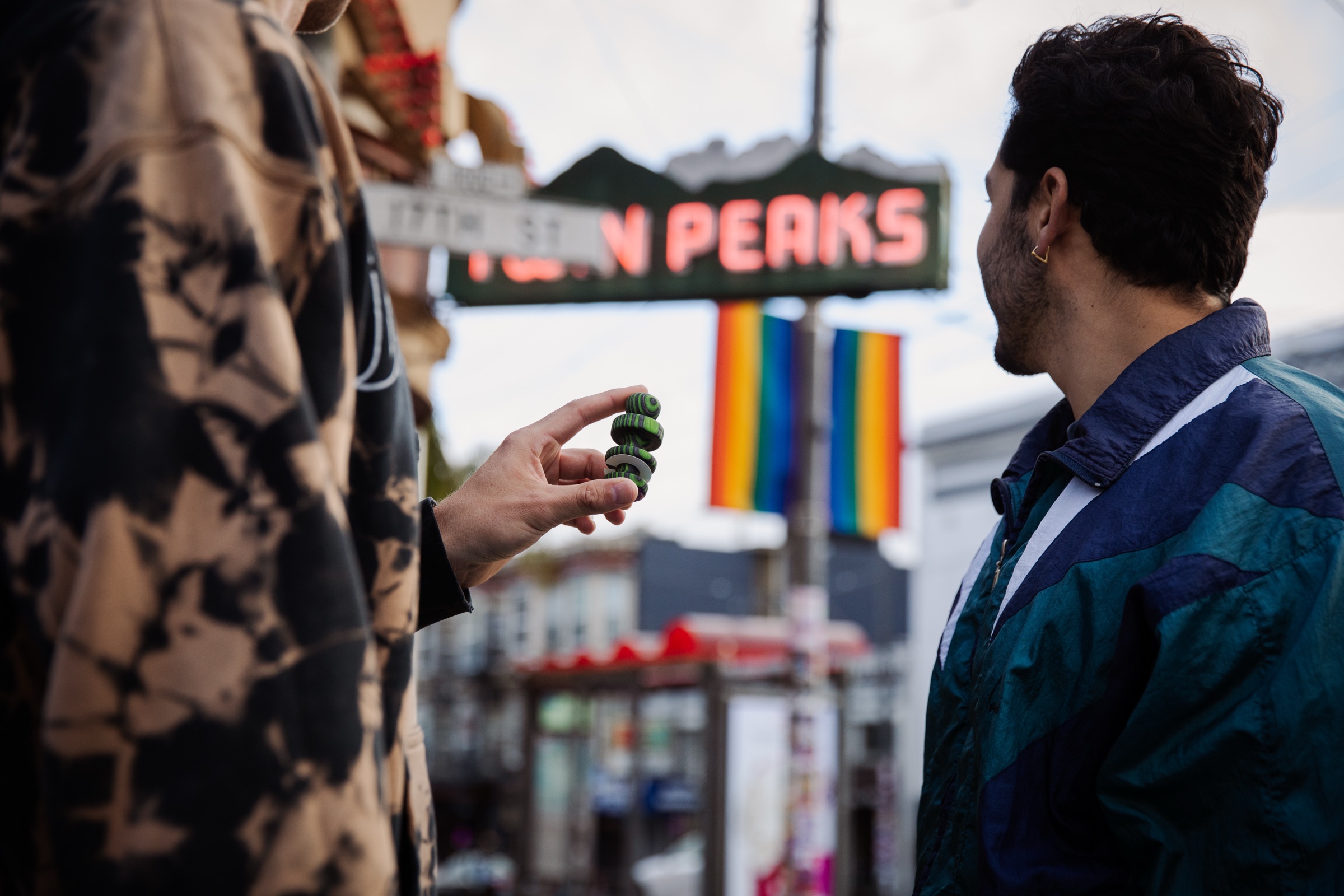
My Stanford MS Design thesis: 25 hand-turned objects, each linked by NFC to a distinct AI character and a physical site in San Francisco’s queer history. Built from archival research and 15 formal interviews, the system sends each holder back into the city; 70% reached their assigned historical site.
At a glance
Recipient, 2026 MS Design Thesis Award
- Objects
- 25
- AI agents
- 25
- Formal interviews
- 15
- Site visitation
- 70%
- Role
- Thesis designer · researcher · maker
- Methods
- Qualitative interviews · archival research · AI prototyping · physical computing · woodturning
Research insights
Queer history in San Francisco is being erased: sites get demolished and stories are dutifully maintained in archives, but we don’t see them in our everyday lives. My MS thesis takes this problem on. We have few museums displaying our history, which also means we aren’t bound to any form. I set out to understand how queer people relate to and experience history, searching for insights that could inform a system that reflects our culture and community. After 15 formal interviews and dozens of informal conversations with peers and advisors, I walked away with four key insights:
- Insight 01
Formal mentorship feels awkward.
Design responseCreate fictional characters as low-pressure intergenerational intermediaries rather than formal mentors.
- Insight 02
People want to participate in history, not stare at it in a museum.
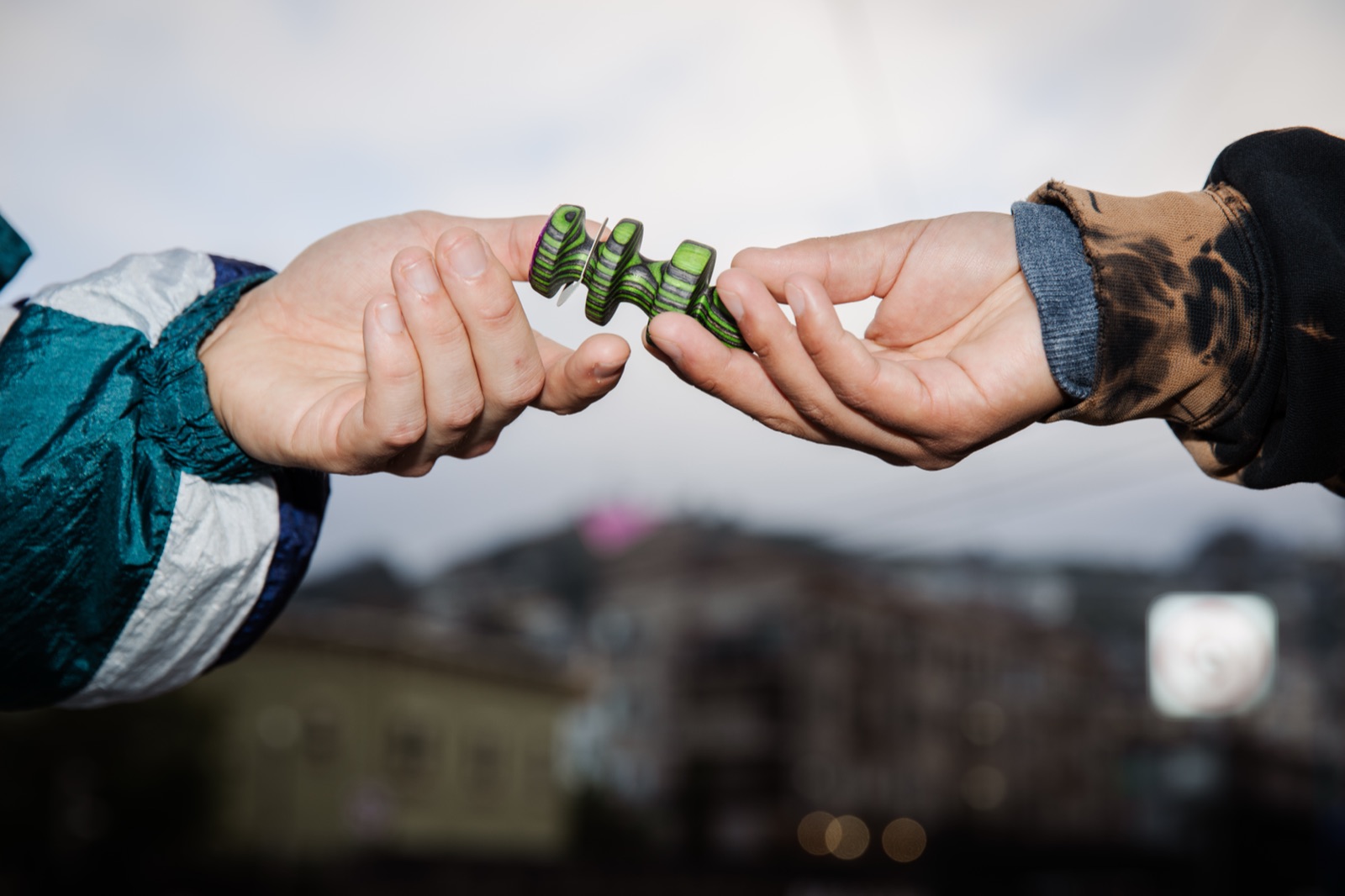
Design responseHolders become part of the system by carrying, visiting with, and passing the object to someone else.
- Insight 03
Queer history is shared on the streets, where it happened.
Design responseEach Edger is tied to a real physical site and asks the holder to return to place.
- Insight 04
Being an outsider allows queer people to push things to the edge.
Design responseAvoid institutional visual language; build a strange, if not slightly eccentric, handmade system with its own characters, symbols, and rules.
How do you reactivate forgotten history so it feels personal? What is the right material for this, something that travels across time? How does it feel unique, not institutional? How do you bridge a generational divide with a huge chasm (the AIDS crisis) in your way? My thesis attempts to carve out a possible solution to these far-reaching questions.
Finding the form
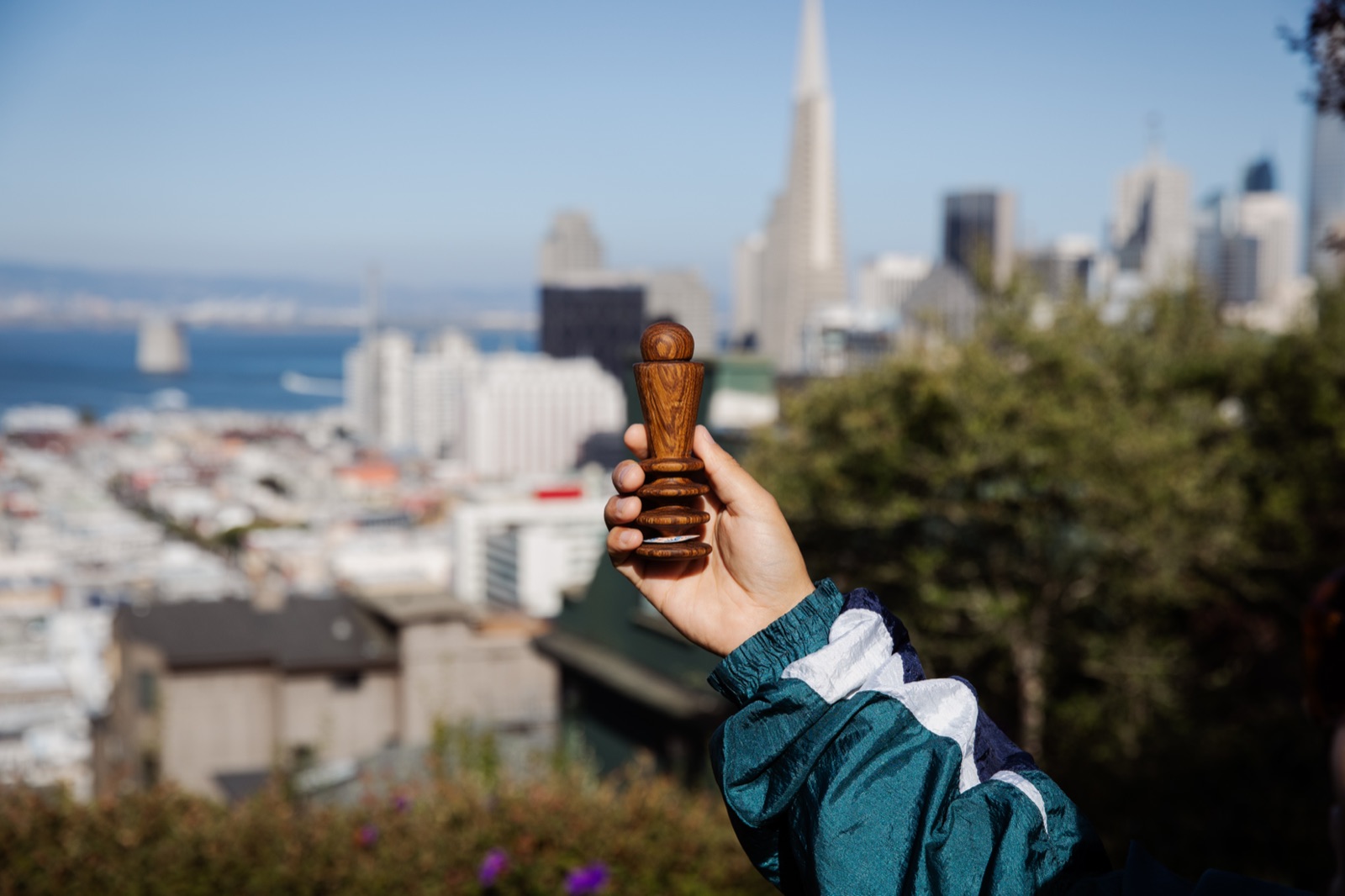
I was heavily influenced by ACT UP in my pursuit for a name of this project. I went with the Cutting E.D.G.E.: Enliven Discourse through Grounded Experience. I wanted to push the bounds of traditional wood turning and create a new symbology for queer culture, while leveraging artificial intelligence as a way to tell our stories.
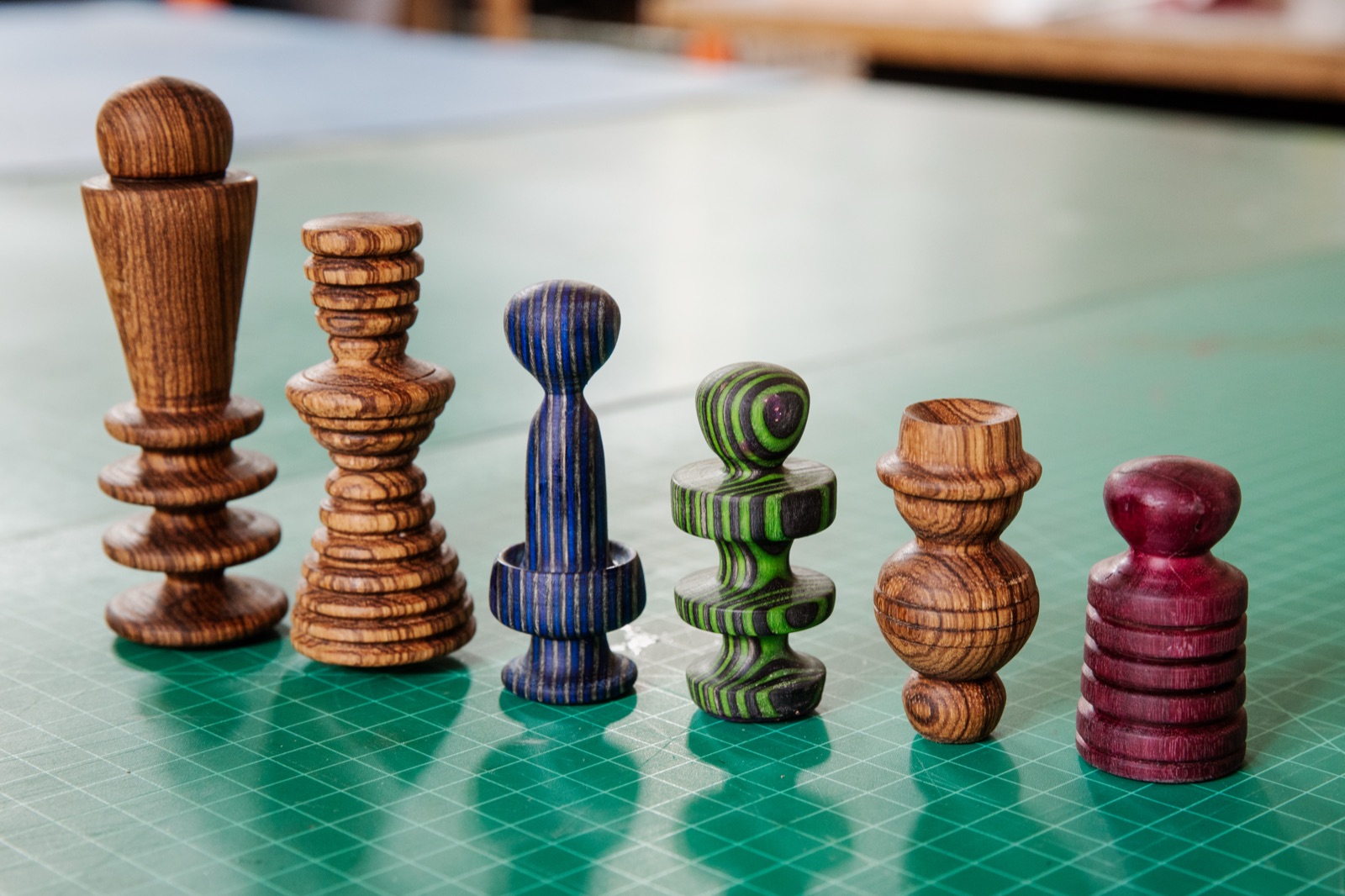
I hand-turned each Edger on a lathe and embedded an NFC chip into the base. I built 25 distinct AI characters using Anthropic’s API, each with its own voice and knowledge of a specific site in San Francisco queer history. The historical-fiction layer is grounded in archival records rather than free-form invention, and the interaction rules are designed to move people out of the chat and back into the city.
Built with Anthropic’s API · OpenClaw agent framework · NFC · wood lathe
The service blueprint below maps every Edger’s loop: what the holder does, what the characters and system do in response, and the rules and infrastructure underneath.
Scenario: a stranger receives a hand-turned Edger and carries its story for up to 14 days.
Actor: the holder.
- Receive
Receives an Edger from Eric or a past holder
TouchpointThe Edger
FrontstagePast holder hands it over (Eric at launch)
EnablingHand-turned on a lathe; NFC chip set
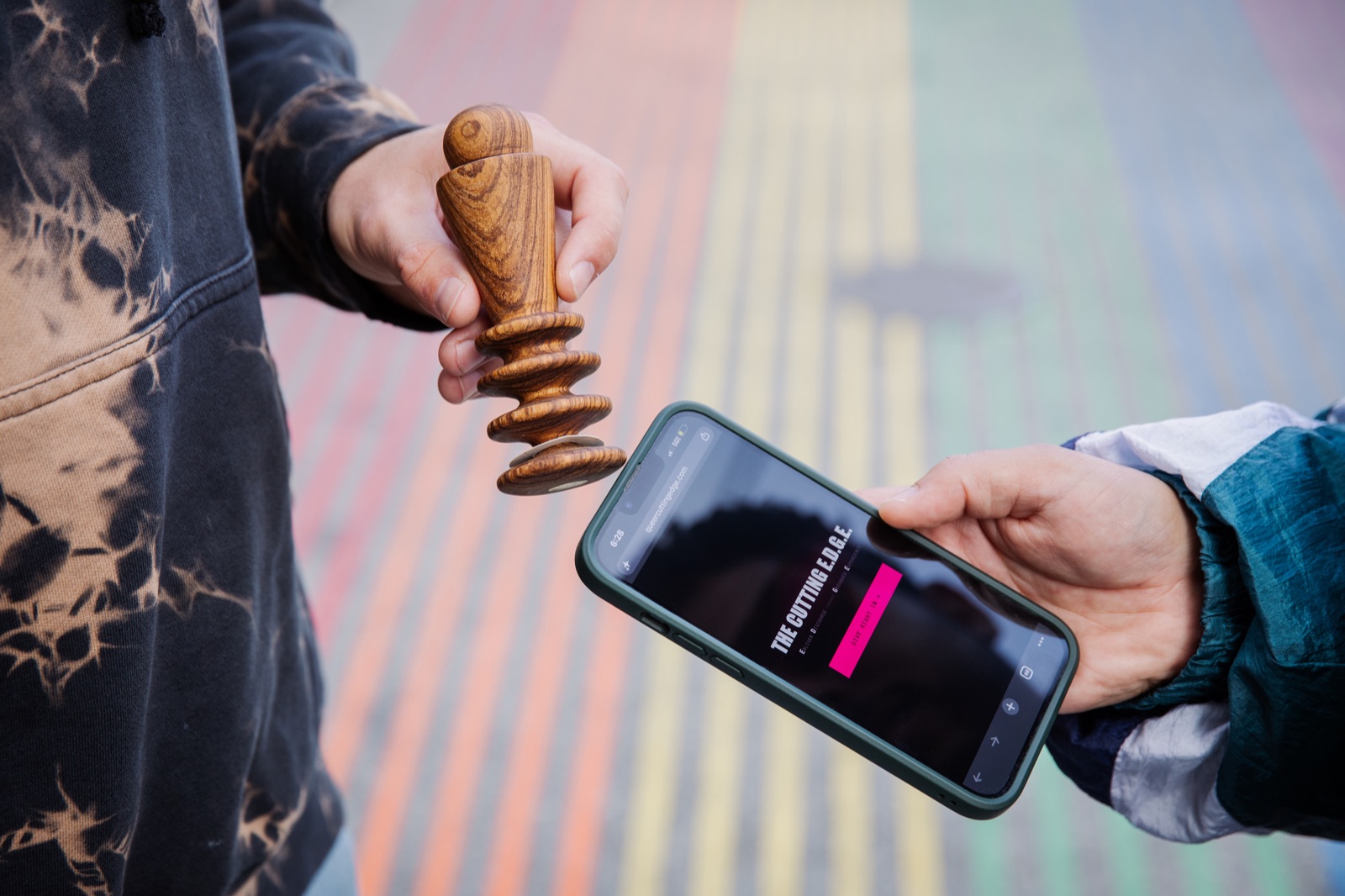
Taps it to their phone
Touchpointqueercuttingedge.com
FrontstageSite welcomes, sends a Discord invite
BackstageSignup logged to a sheet
EnablingNext.js site on Vercel
- Meet
Joins Discord, names who they’re holding
TouchpointDiscord #general
FrontstageViv asks: “Who are you holding?”
BackstageName matched; role and record created (countdown-gate plugin)
EnablingDiscord server; a role-gated channel each
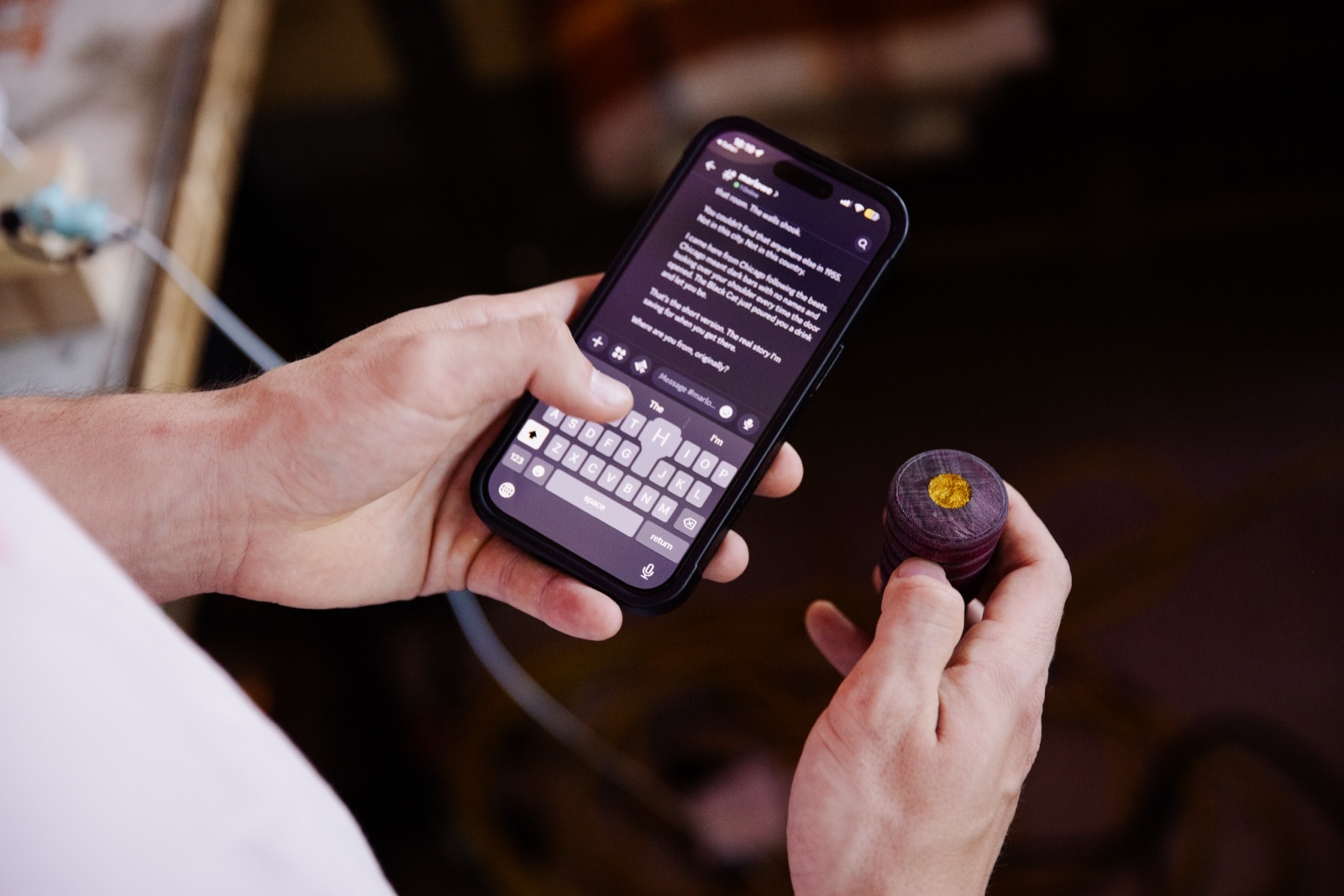
Chats; picks a lighter or fuller story
TouchpointCharacter’s channel
FrontstageSays hello; offers a lighter or fuller story
Backstage14-day clock starts; days left fed to character (countdown-gate plugin)
EnablingCharacter files run as Claude agents (OpenClaw)
- Visit
(W)Sets out for the site
TouchpointMaps link
FrontstageNudges them to the site; reminds after 48 quiet hrs
BackstageInactivity monitored; reminder after 48 quiet hrs (countdown-gate plugin)
EnablingNudge and reminders written in each voice
After the nudge, extra chat gets a gentle “go visit” until tomorrow.
(F)Arrives, types “I’m here”
TouchpointThe historic site
FrontstageCharacter welcomes them to the site
BackstageArrival confirmation logged (countdown-gate plugin)
EnablingEach Edger tied to a real site
Not reached: a reminder every 48 quiet hours, until day 14.
Pilot signal · 70% OF HOLDERS REACHED THE SITE
- Listen
Hears the story, asks questions
TouchpointThe story, in chat
FrontstageTells the story; each answer nudges a pass-on
BackstageChat and visit status synced to character memory (countdown-gate plugin)
EnablingArchival research; no-fabrication rule
- Pass on
(F)Hands it on, types CONFIRM
TouchpointHandoff confirmation
FrontstagePass-on ceremony; system asks them to type CONFIRM
BackstageHandoff words open a 5-minute CONFIRM window (countdown-gate plugin)
EnablingHandoff phrases; 5-minute and 14-day rules
No CONFIRM in 5 minutes: asked to confirm again; still the holder.
Pilot signal · FEWER THAN HALF OF HOLDERS COMPLETED A FIRST HANDOFF
Terminal, day 14: no handoff means the holder expires; their role is removed, so the channel vanishes.
Gets a thank-you; the story closes
TouchpointThank-you + lineage
FrontstageConfirms handoff; sendoff: “You are the Nth person…”
BackstageMarks it passed on; 30 s later, role + chat cleared (countdown-gate plugin)
EnablingSendoff scripted in each character
Pilot signal · 85% OF FIRST HANDOFFS LED TO ANOTHER HANDOFF
- The Edger passes on, and the next holder starts at the beginning.
Testing in the wild
I launched the first 15 Edgers at The Stud and used real circulation behavior to change the rules for the next ten. The point of the pilot was not only whether people enjoyed the conversation, but whether a digital interaction could change physical behavior. Seventy percent of holders reached their assigned historic site.
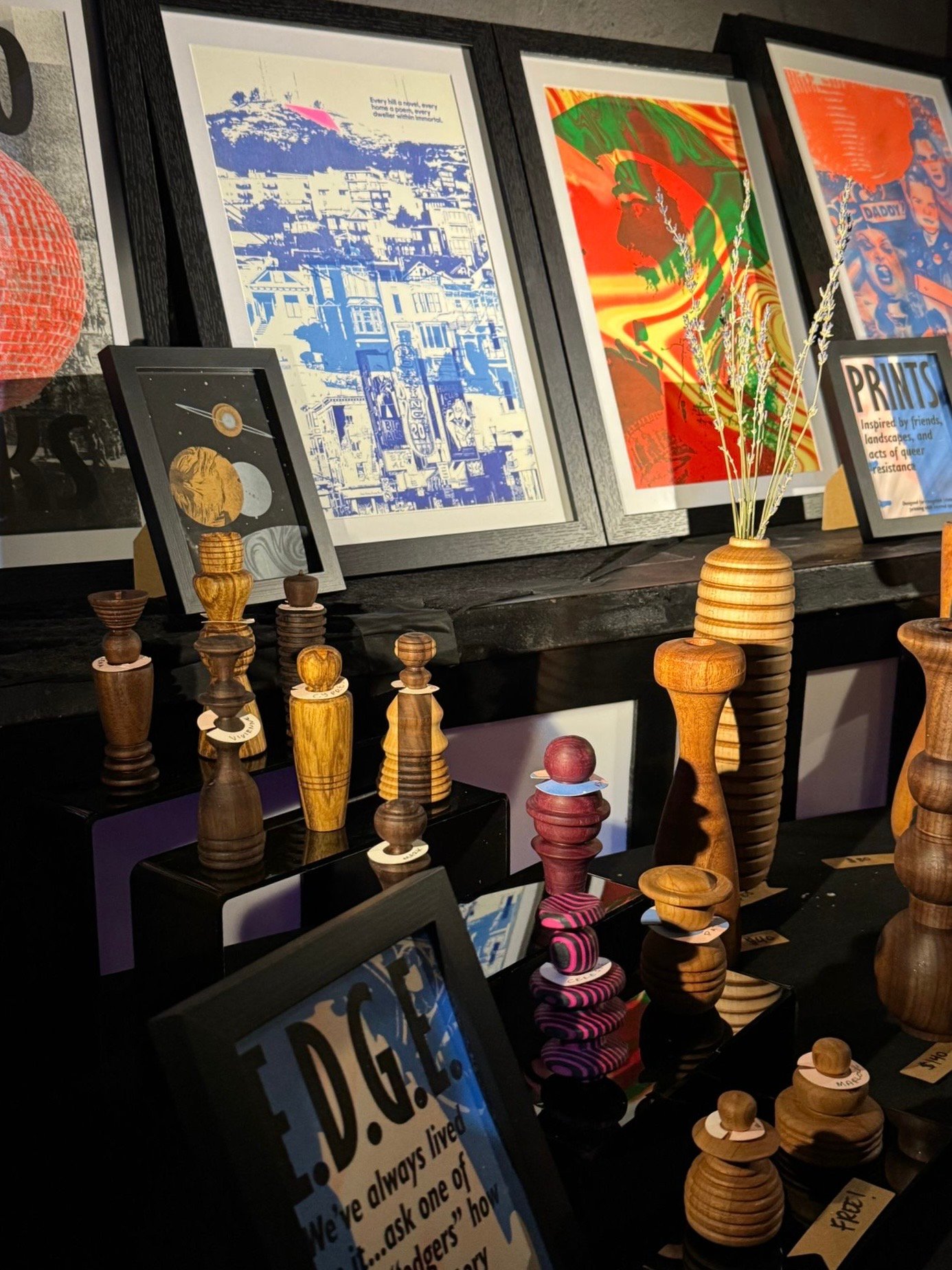
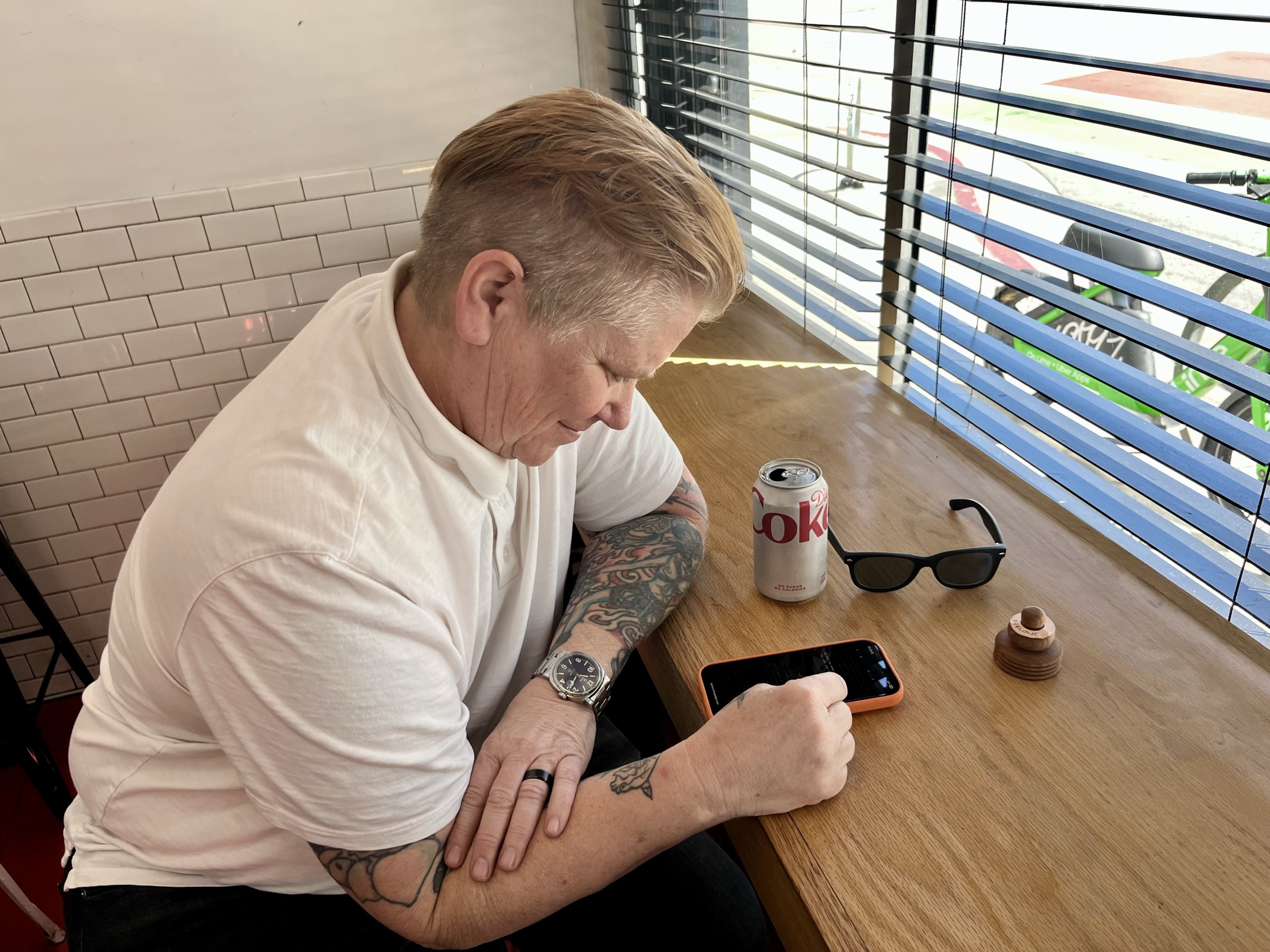
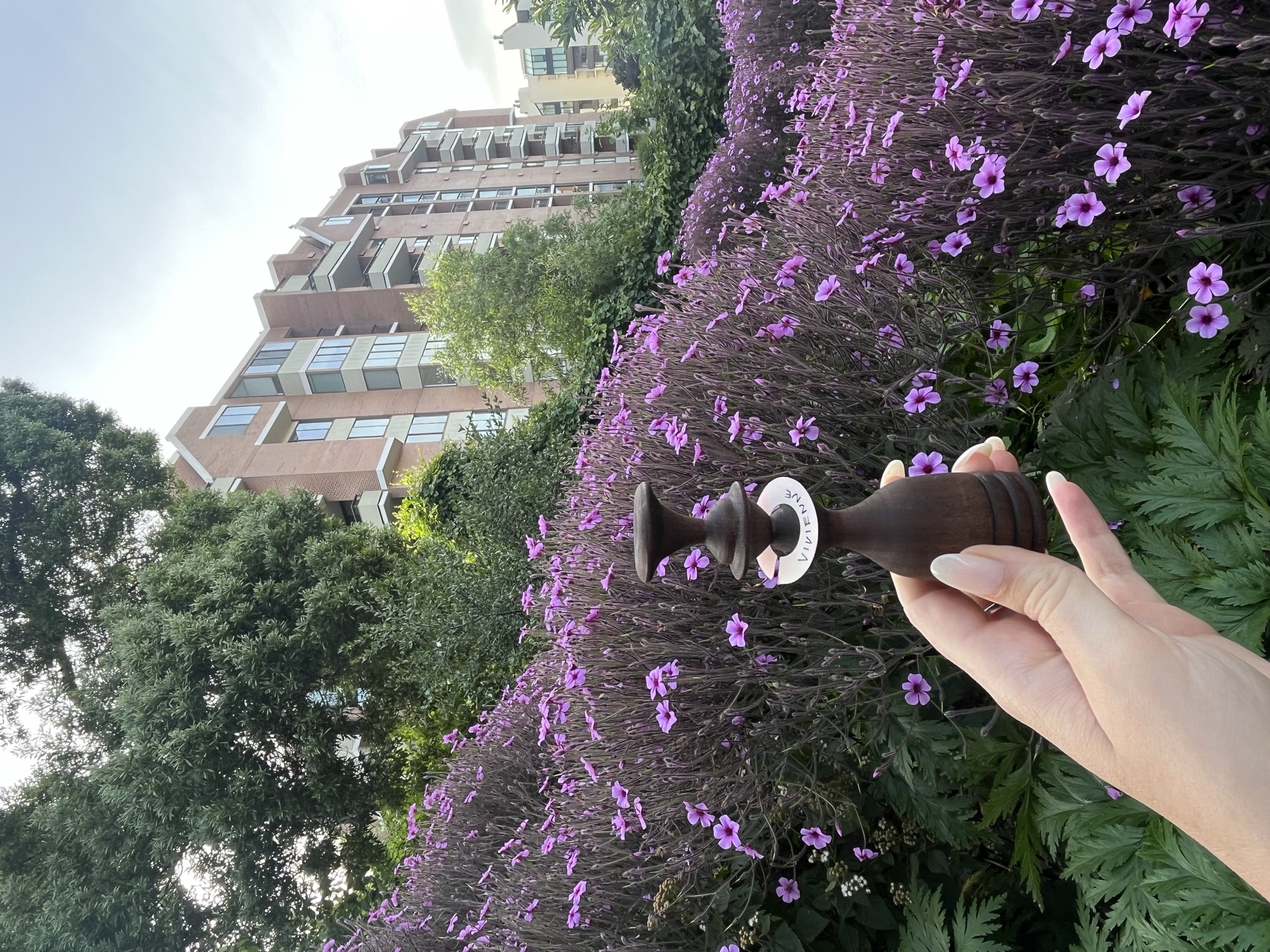
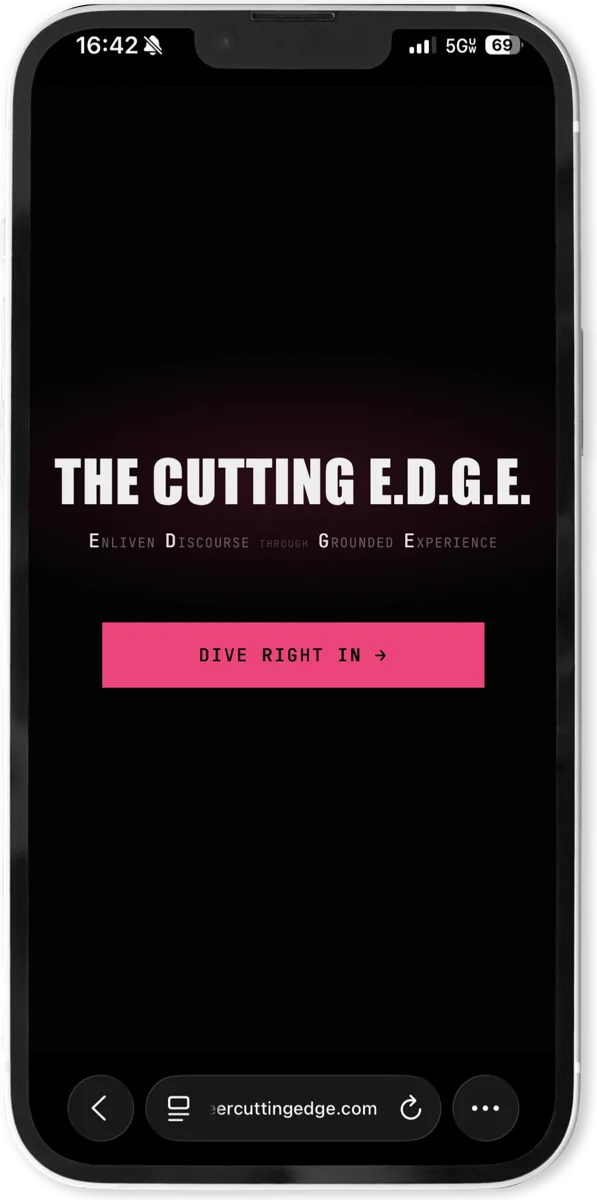
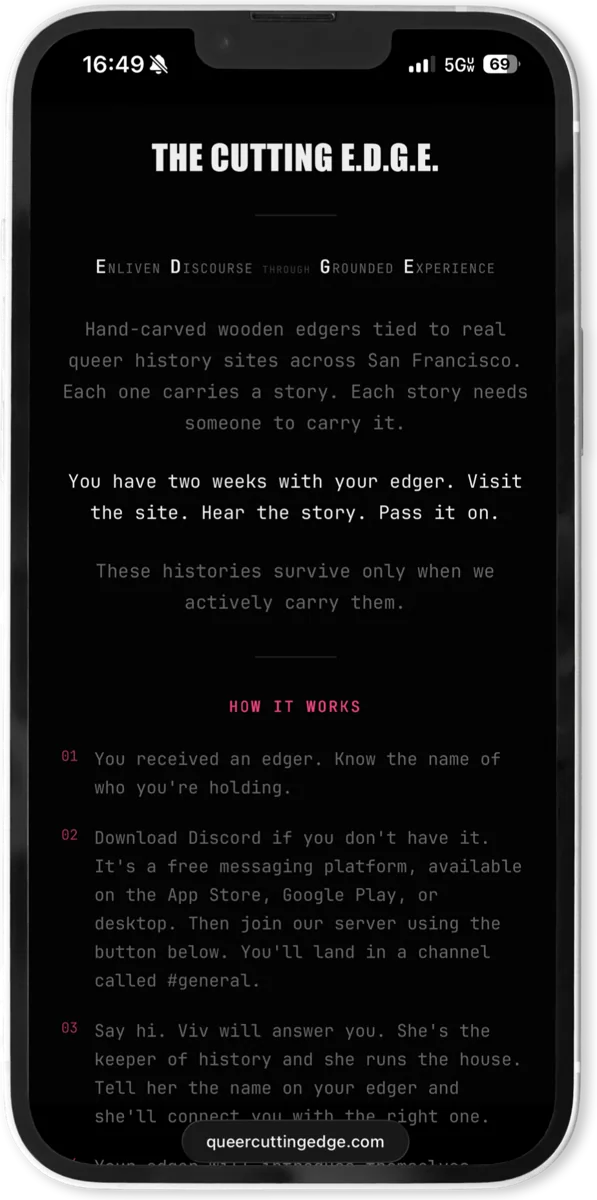
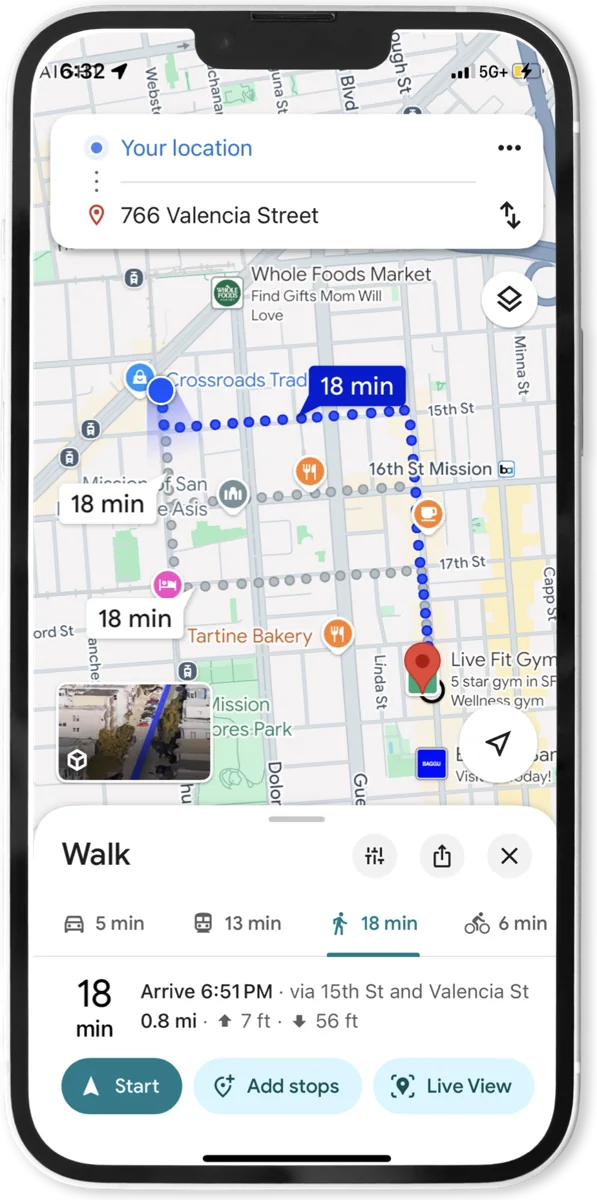
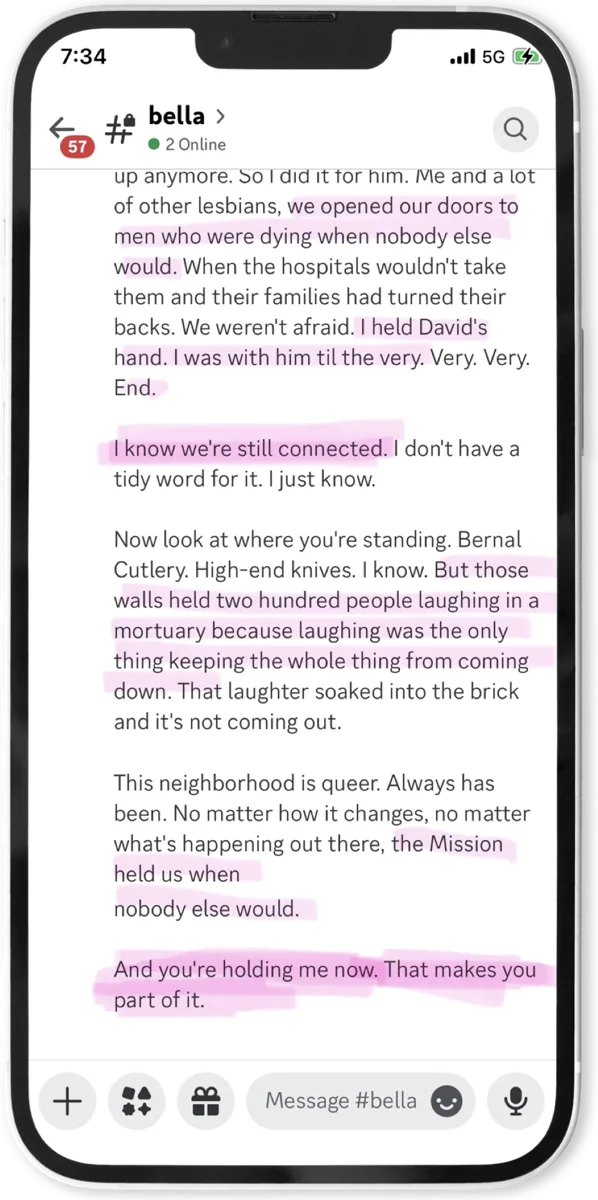
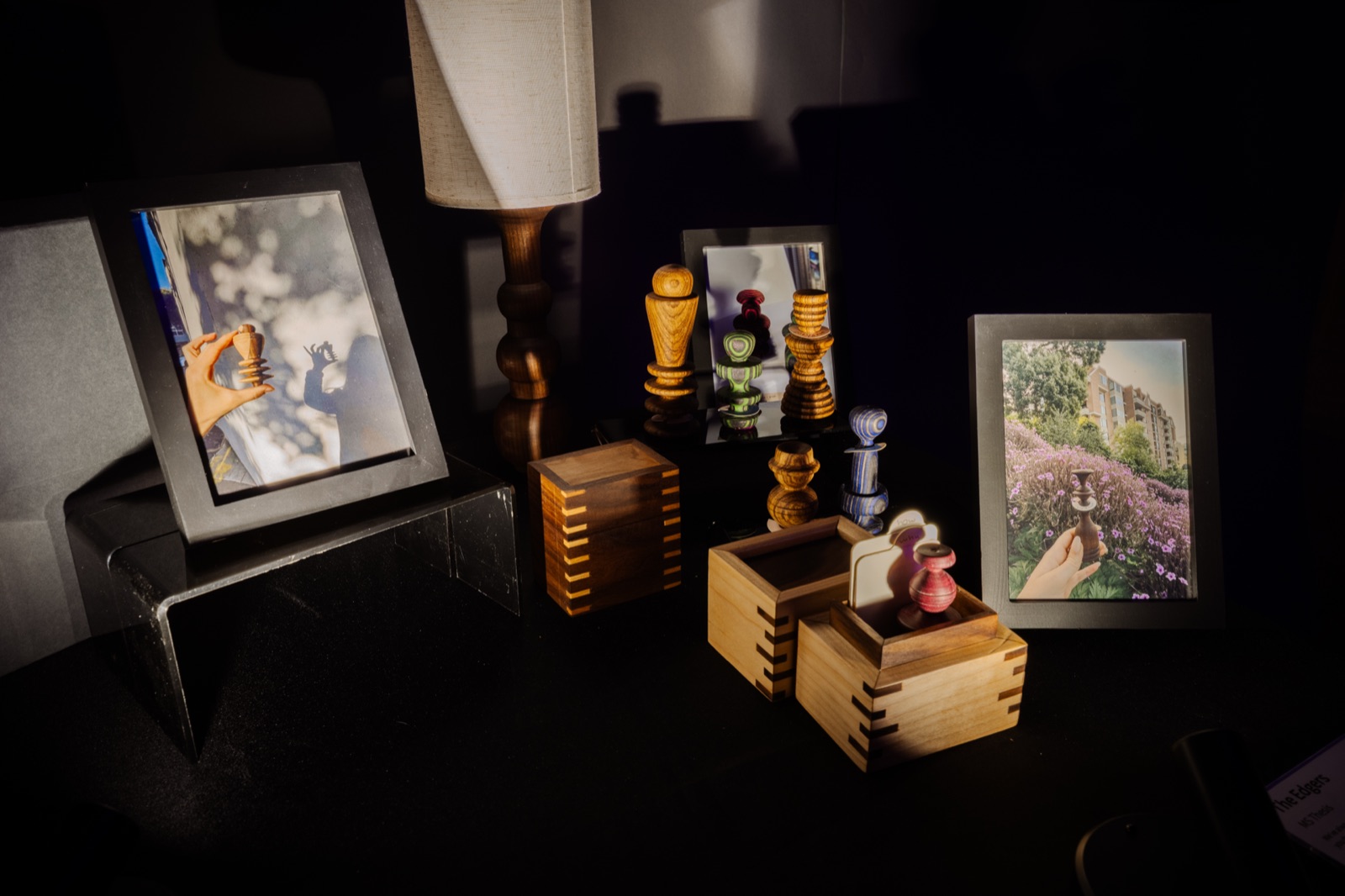
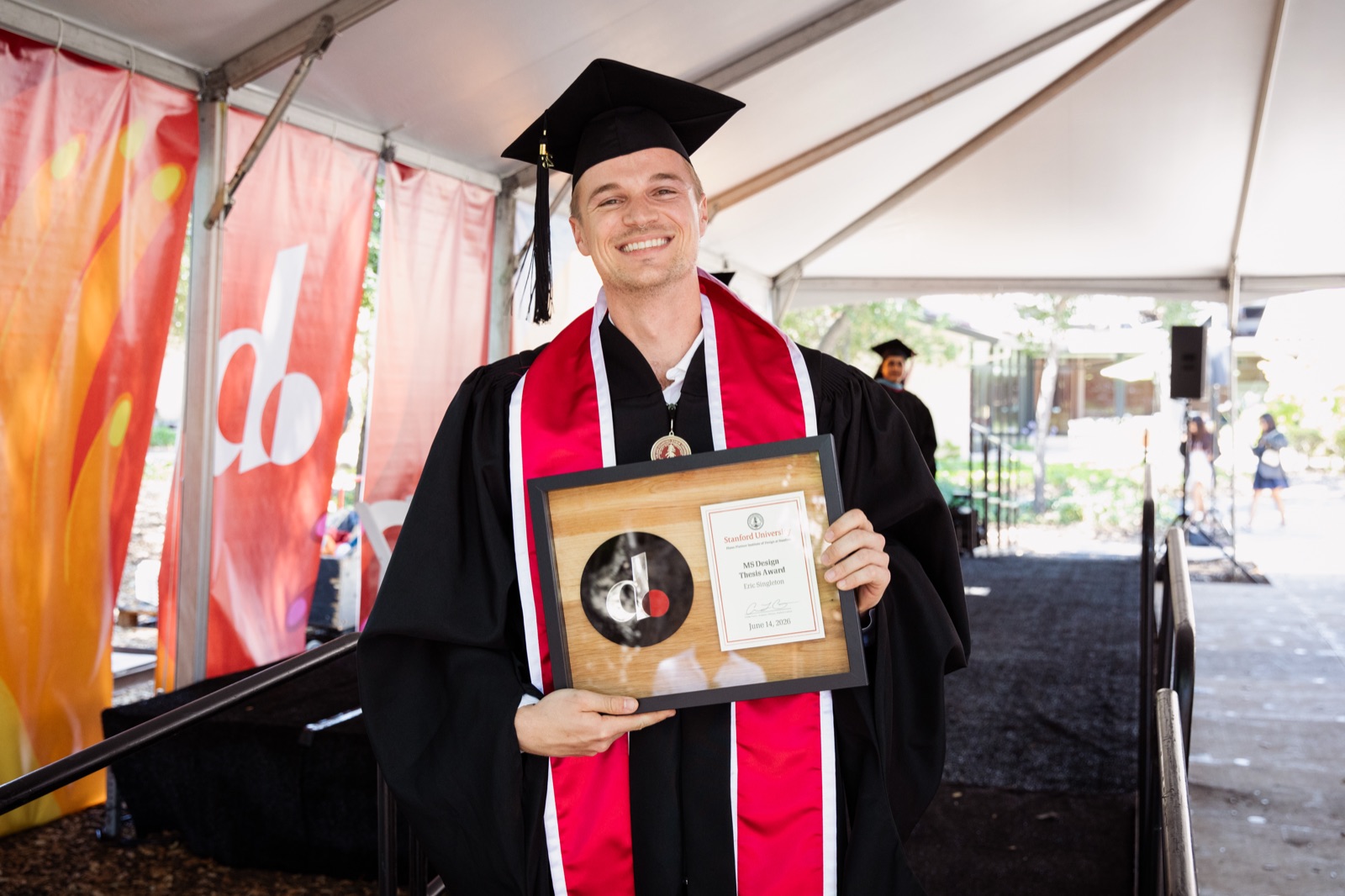
25 Edgers have launched and are in active circulation in five US states. I’m exploring curriculum use with an oral history professor who teaches at SFSU and CCSF. I have so many dreams and ideas of how this work can grow. If you do too, reach out and let’s scheme together.
Meet the Edgers
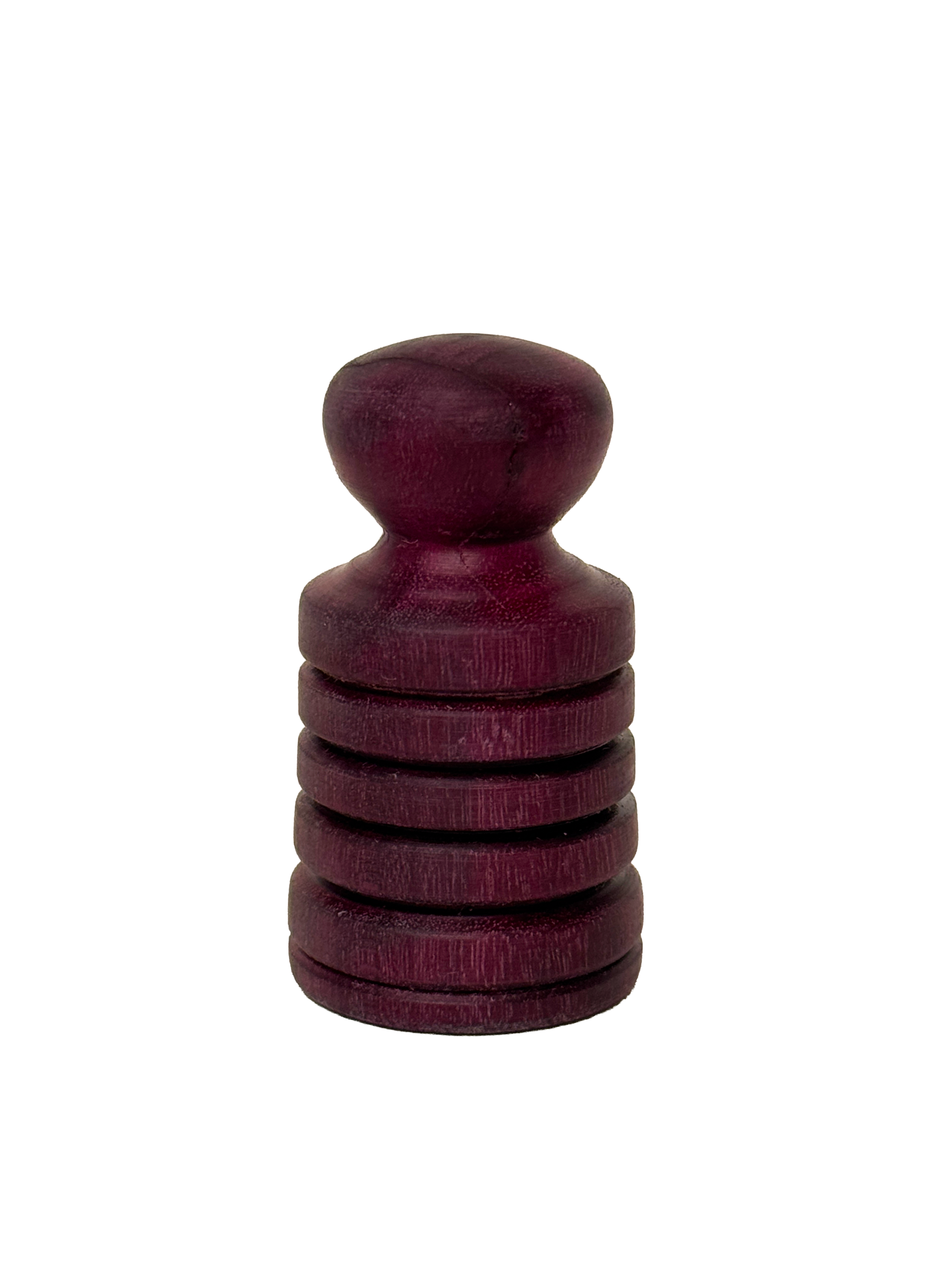
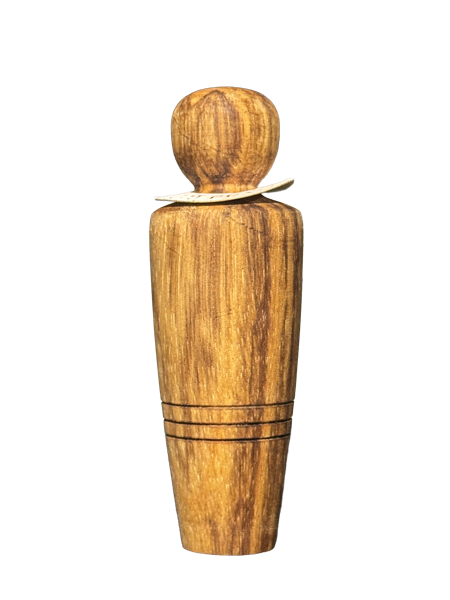
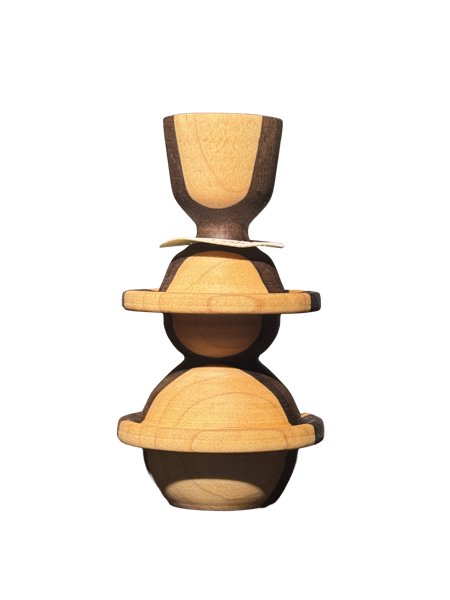
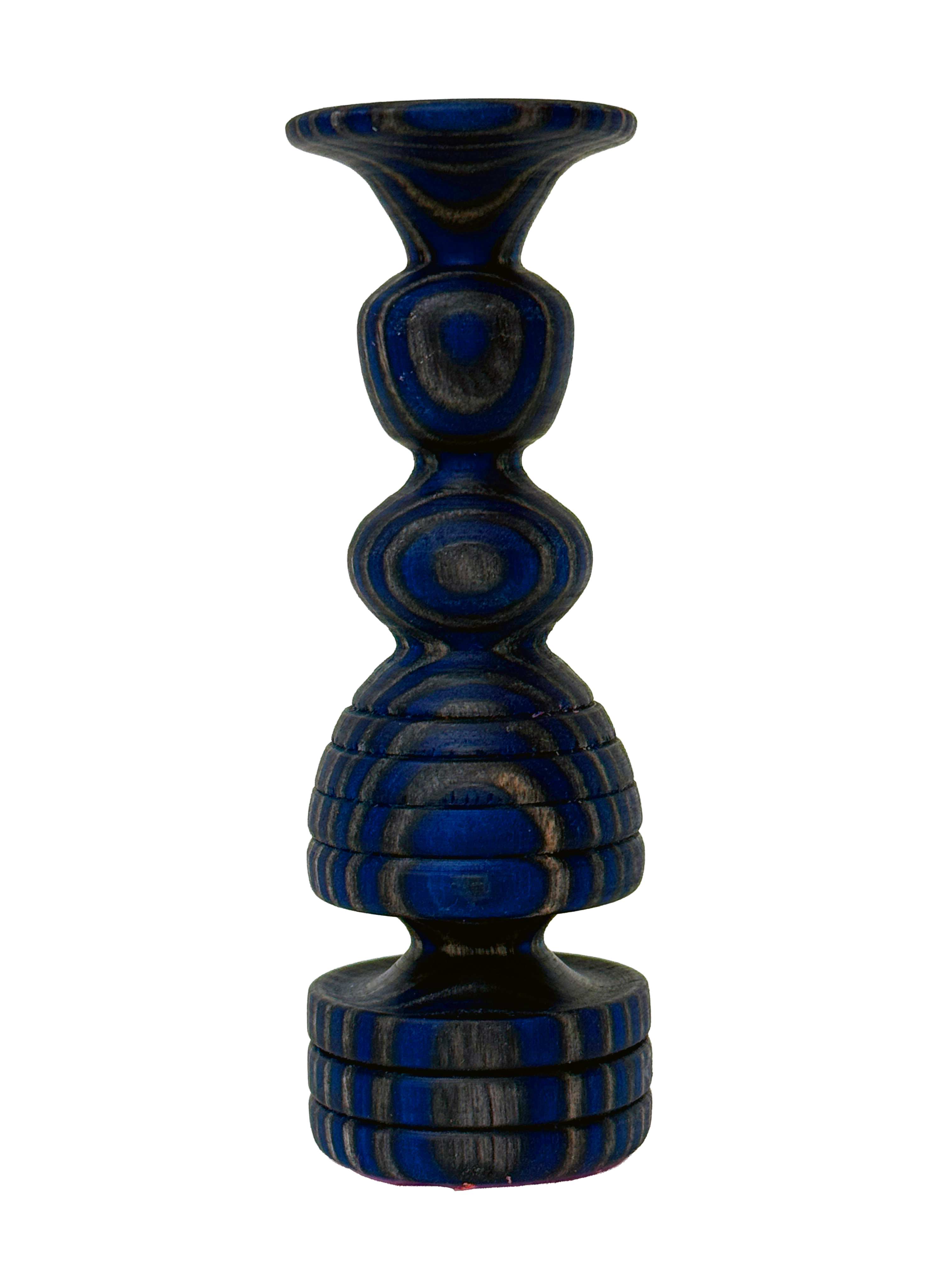
Every Edger is its own character, tied to a real site in San Francisco’s queer history.
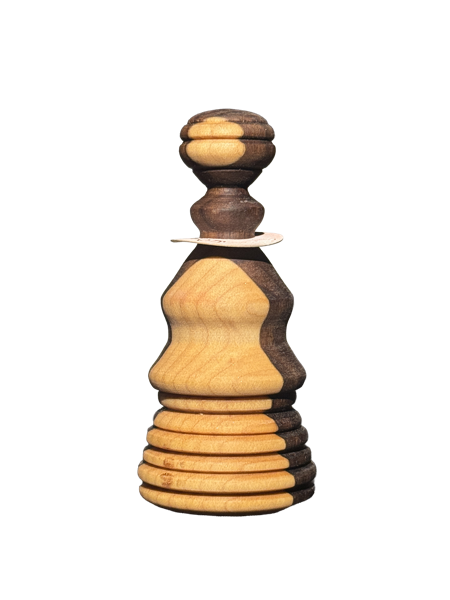
VESPER
FLORENCE
KIT
ROSCOE
PERSEPHONE
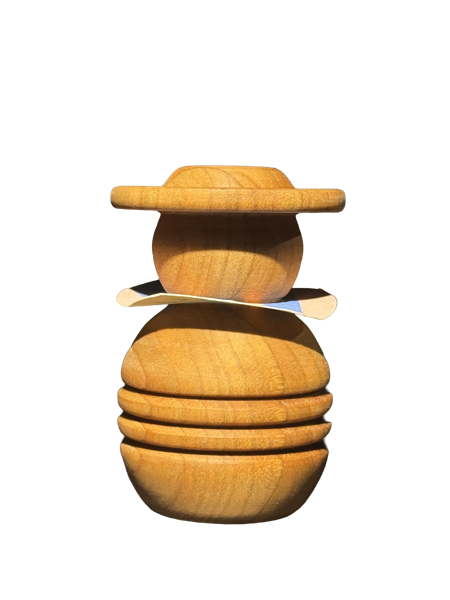
BIJOU
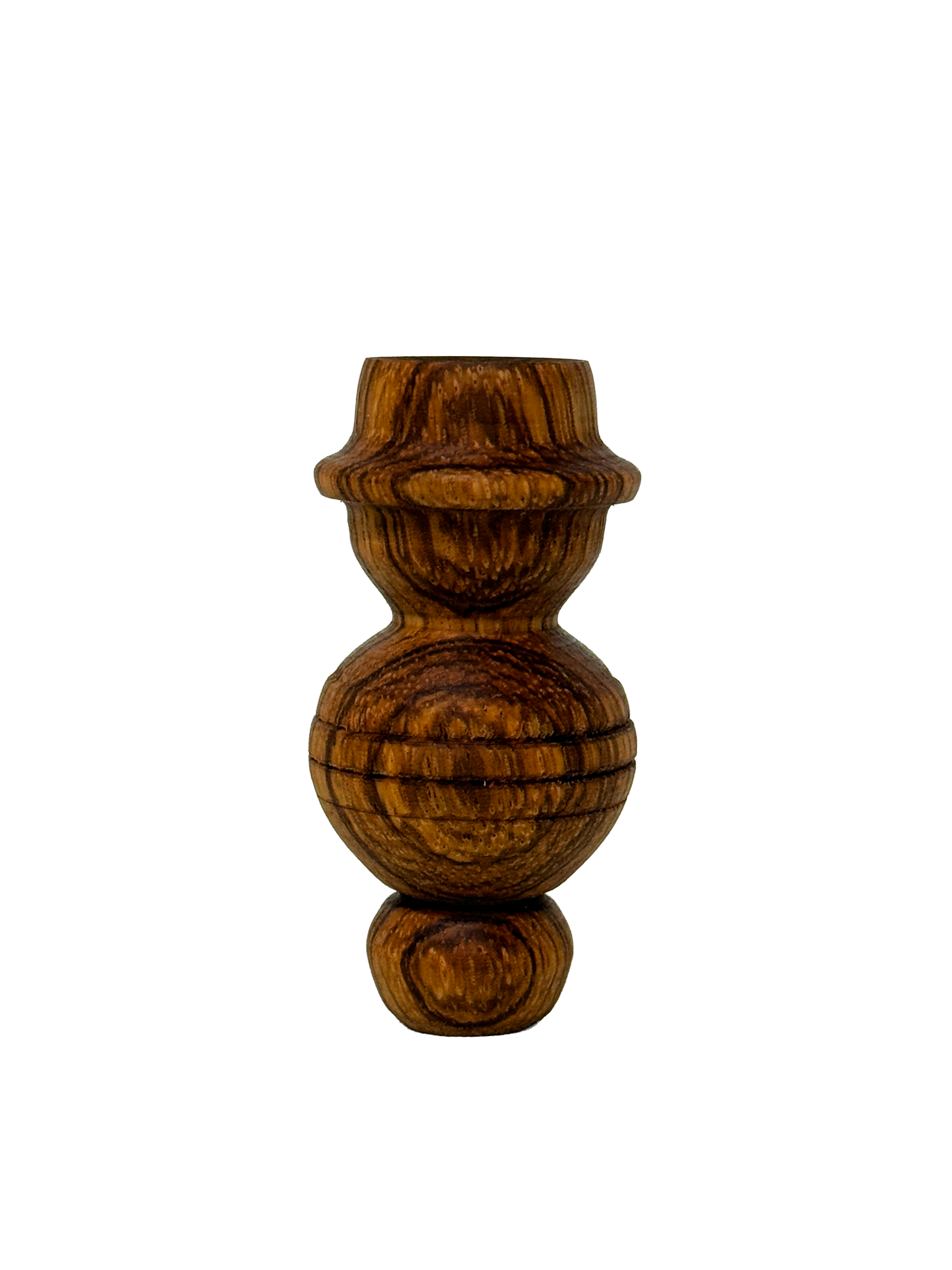
JJ
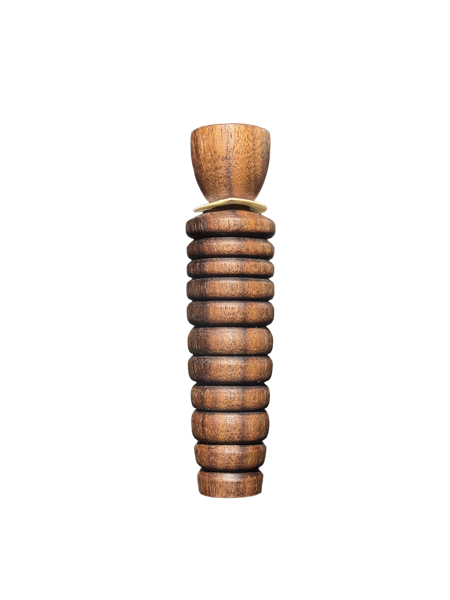
PEARL
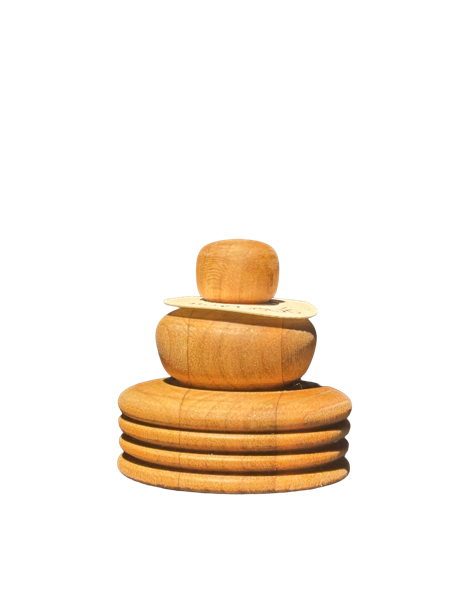
PALOMA
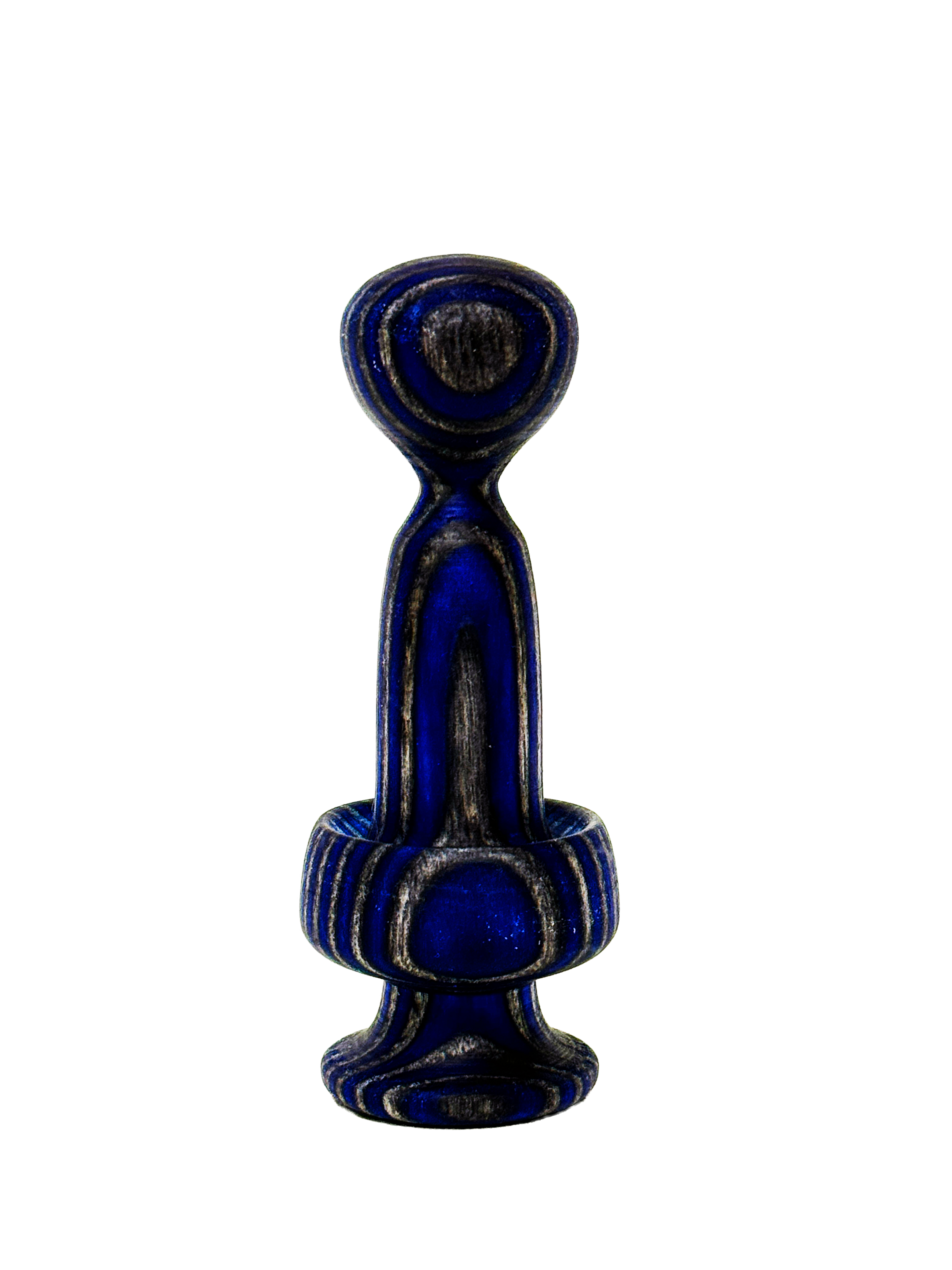
WALT
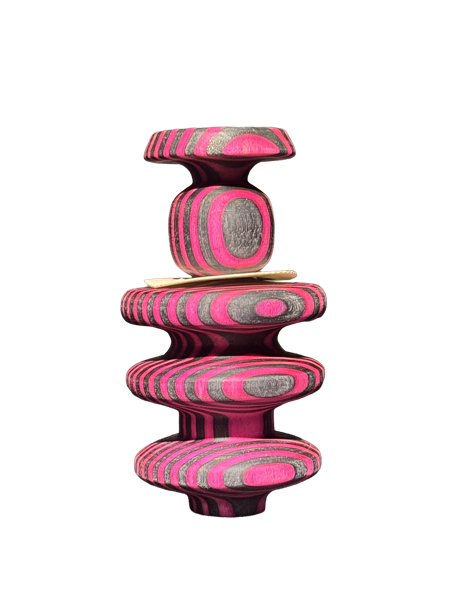
SABLE
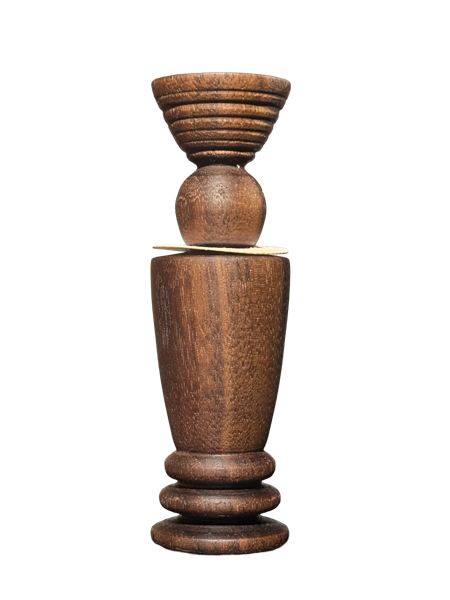
LUX
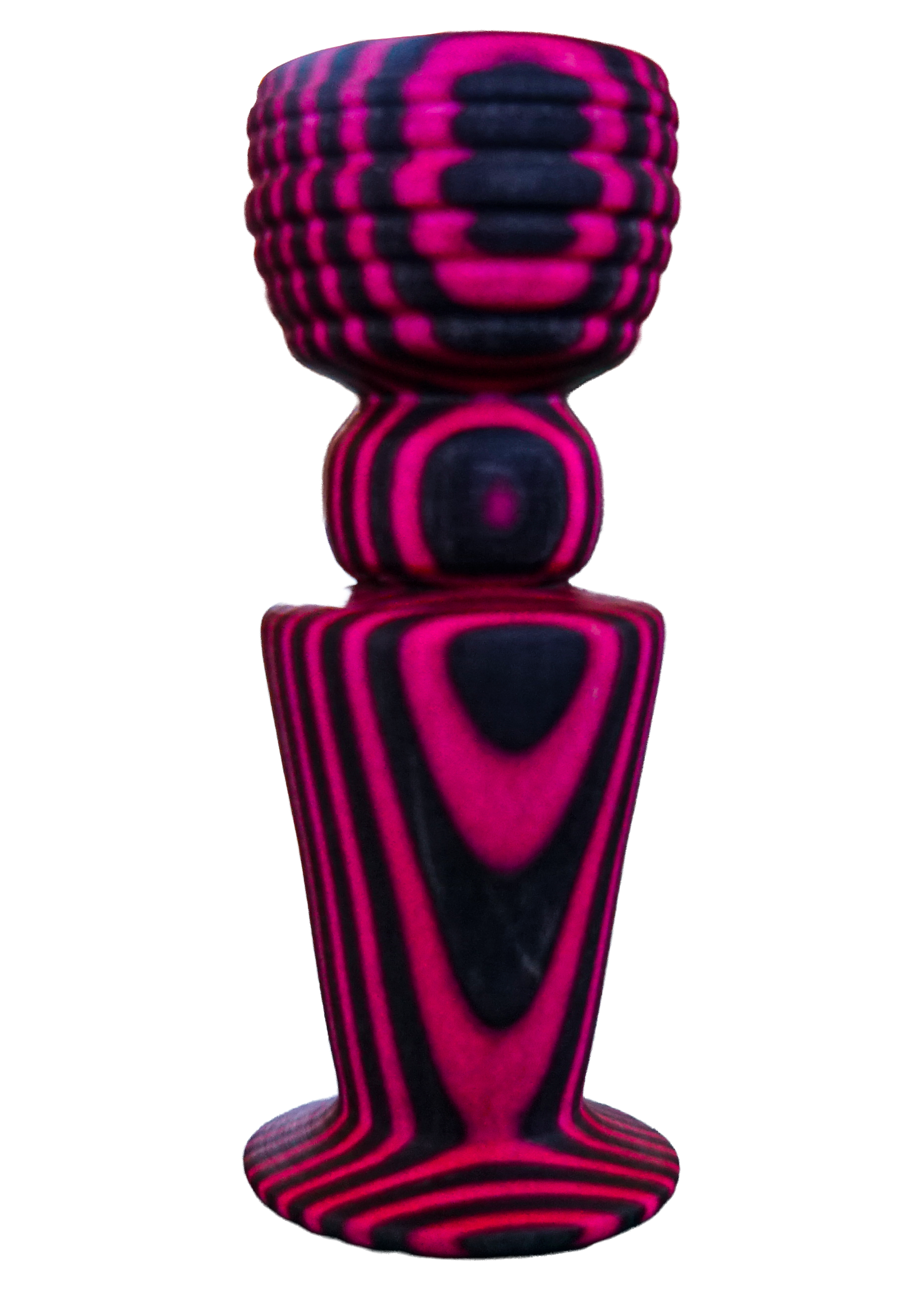
MONET
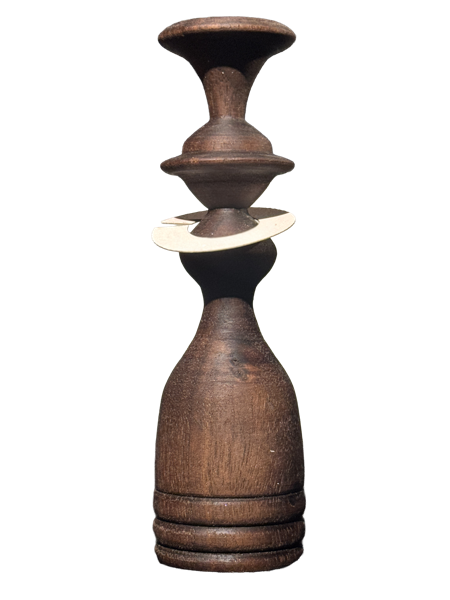
ARLO
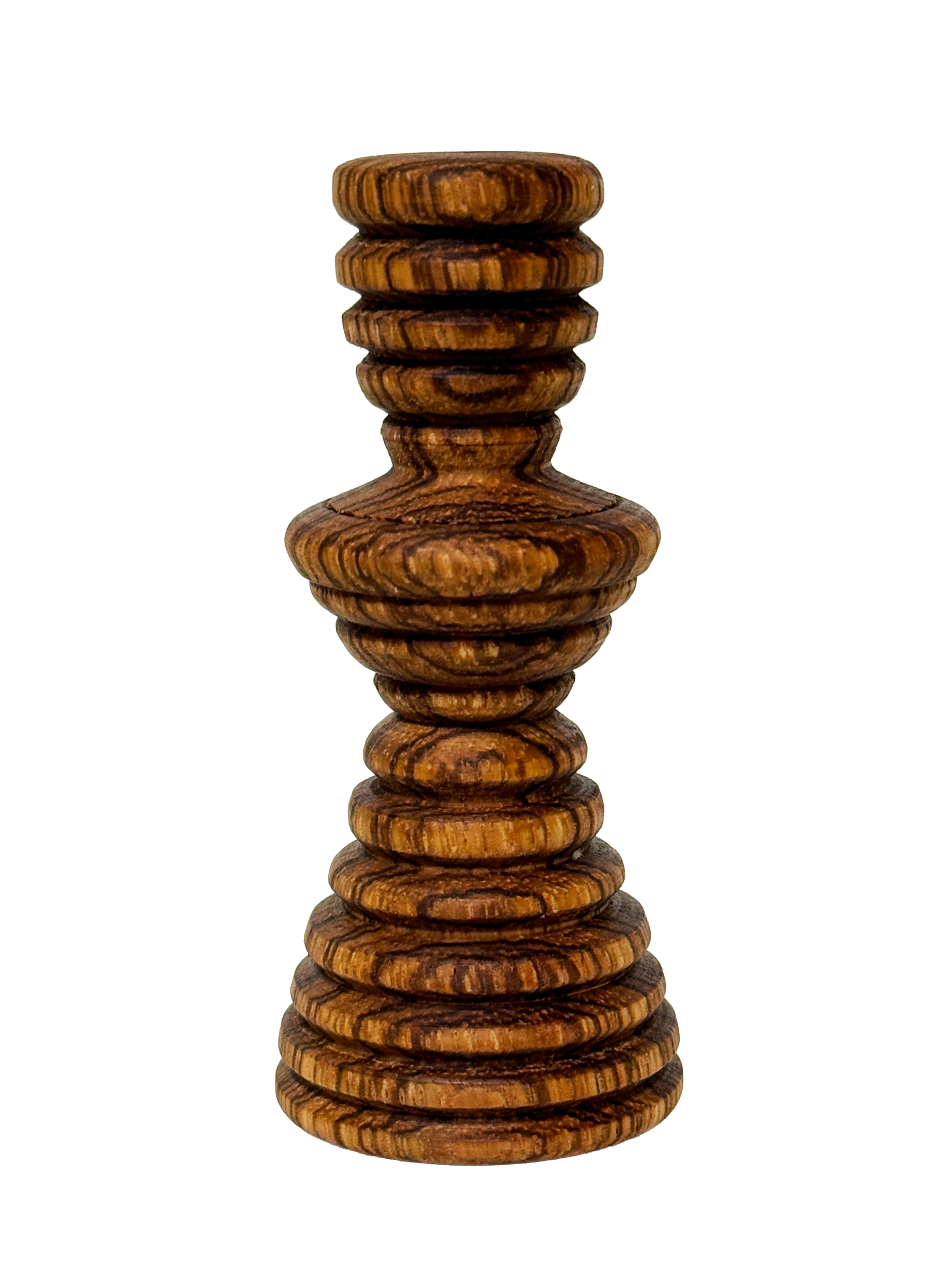
ZORYANA
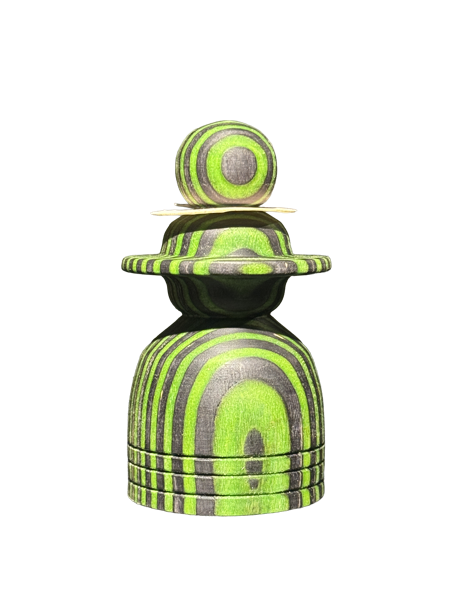
CASS
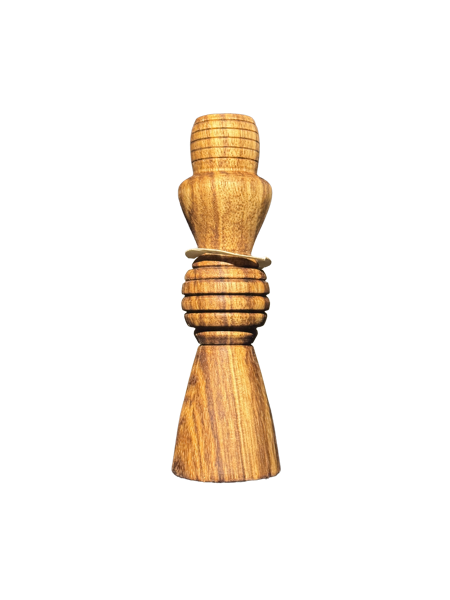
DOTTIE
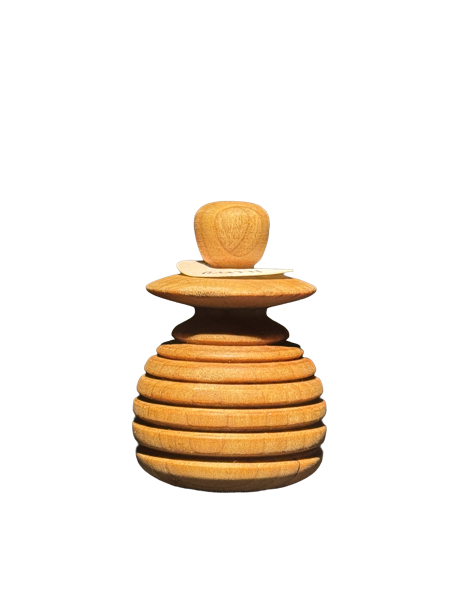
SIENNE
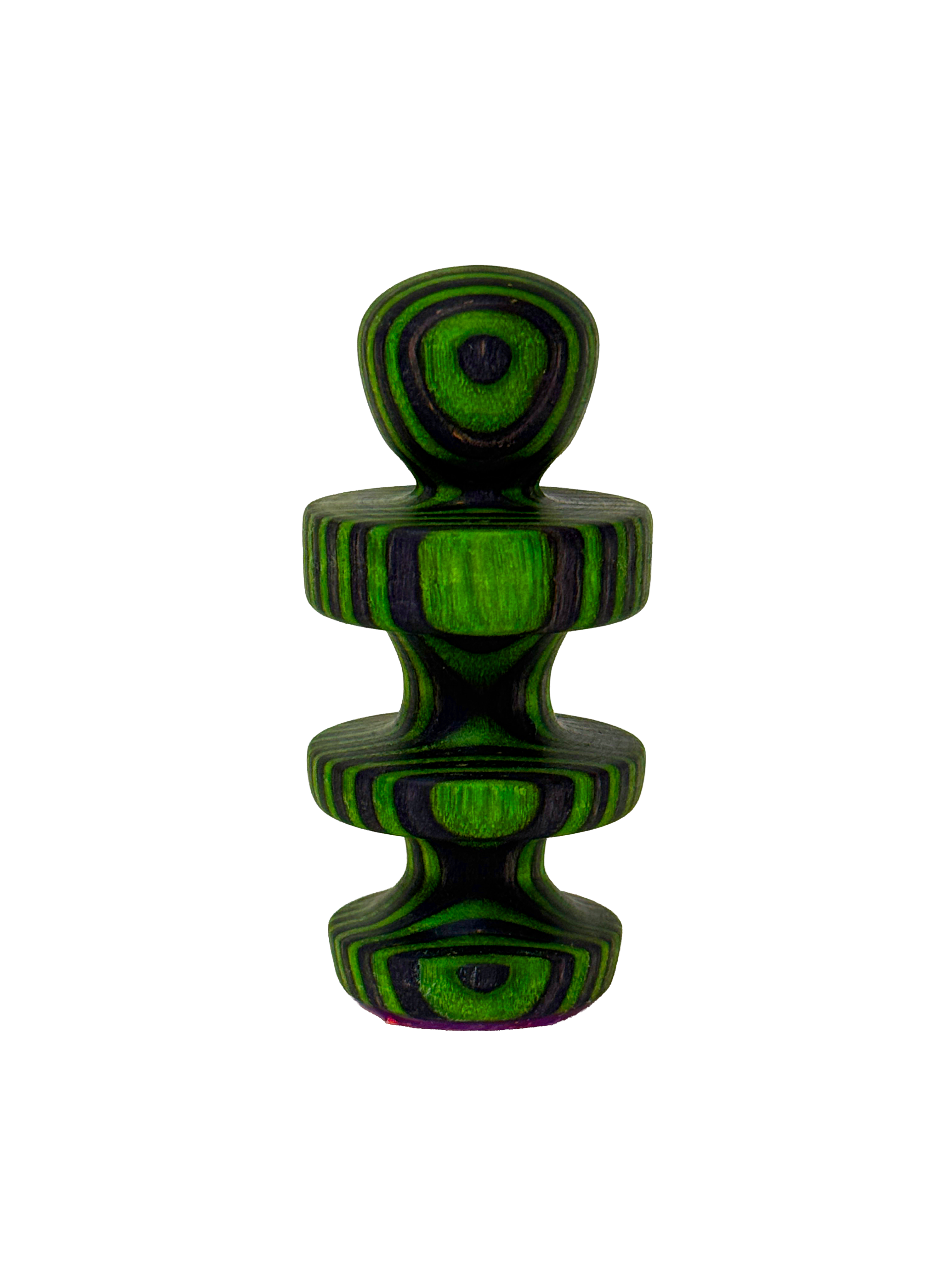
NINO
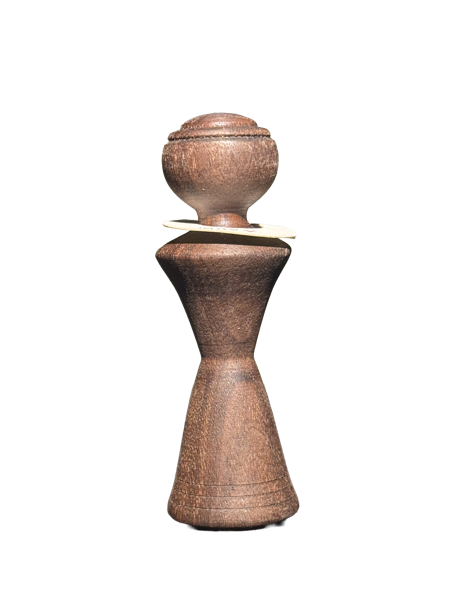
STERLING
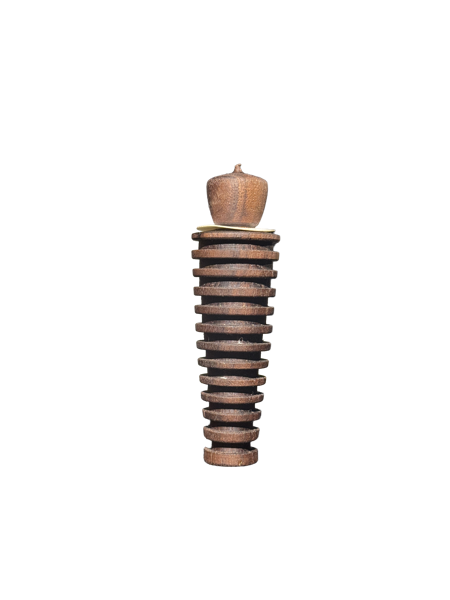
BLAISE
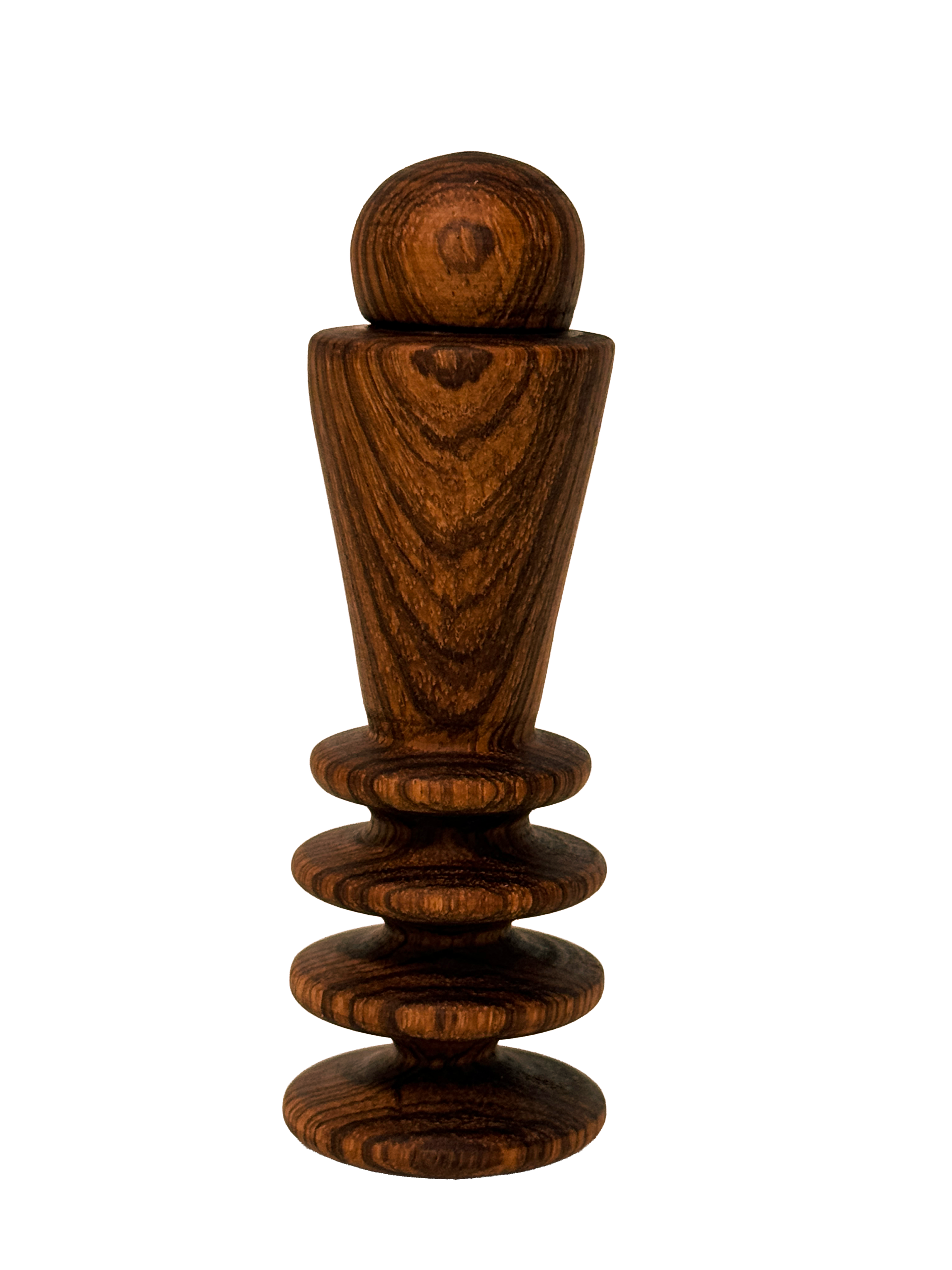
KYRYLO
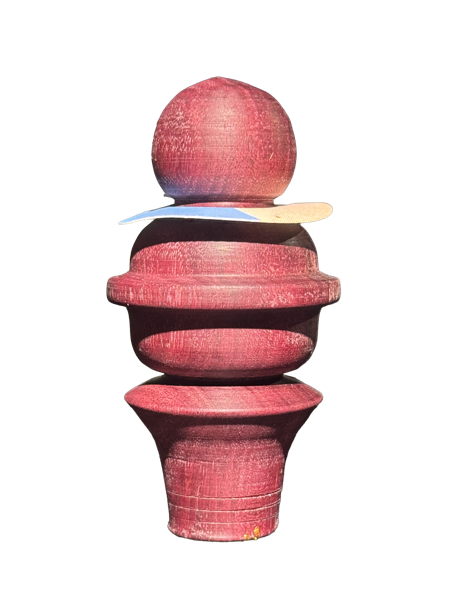
DELPHINE
This is the most complete piece of work I’ve made. Physical craft, AI, systems thinking, creative writing, and community design all in one system. The Cutting E.D.G.E. says queer history isn’t on the fringe. It’s at the cutting edge.