
Reproductive Health Strategy
Building Nepal's Vision of Success
Co-authored a six-year, $8M funding strategy for safe abortion access across Nepal’s seven provinces, combining cost-effectiveness analysis and funding-flow mapping with partner design sprints and Ministry of Health validation.
At a glance
- Scale
- $8M, six years, seven provinces
- Role
- Program Associate · Strategy co-author
- Methods
- Cost-effectiveness modeling · funding-flow analysis · partner design sprints
- Outcome
- Ministry-endorsed strategy embedded in Nepal’s national reproductive-health framework
In 2019, the Buffett Foundation set out to build a multi-sector funding strategy for increasing safe abortion access across Nepal. We approached the strategy as both an analytical and participatory design problem: understand the health system rigorously, then build the vision with the organizations and government institutions responsible for making it real.
I co-authored the resulting strategy as part of a broader Foundation pilot introducing human-centered design into country-level strategy development.
From data to design sprints
First we needed to understand the current system. I synthesized data from WHO, the World Bank, the Global Financing Facility, and other sources; modeled service-delivery cost effectiveness; and traced how funding moved between partner organizations. The goal was a solid analytical base: a clear view of the constraints and leverage points we needed to explore in our fieldwork.
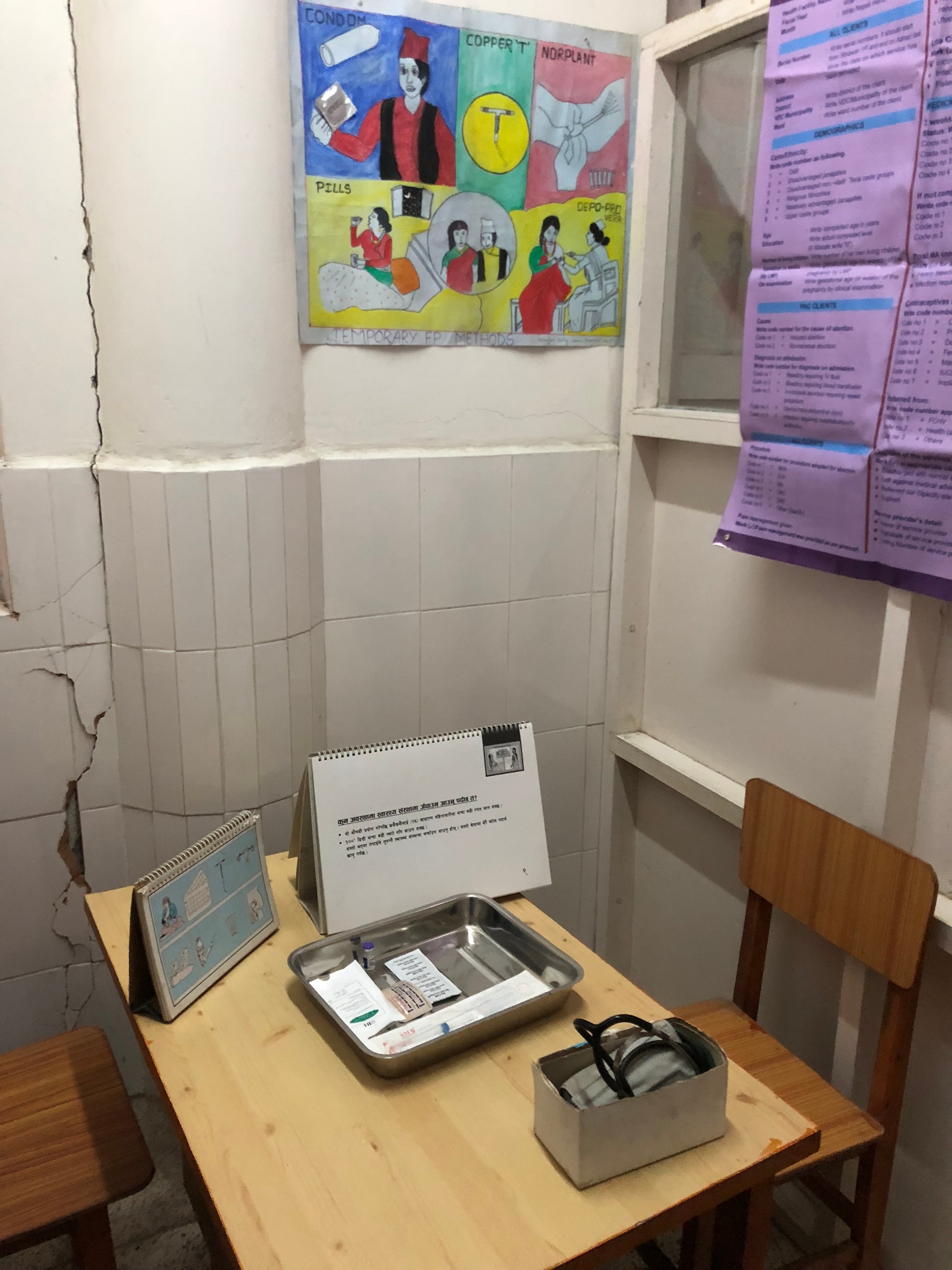
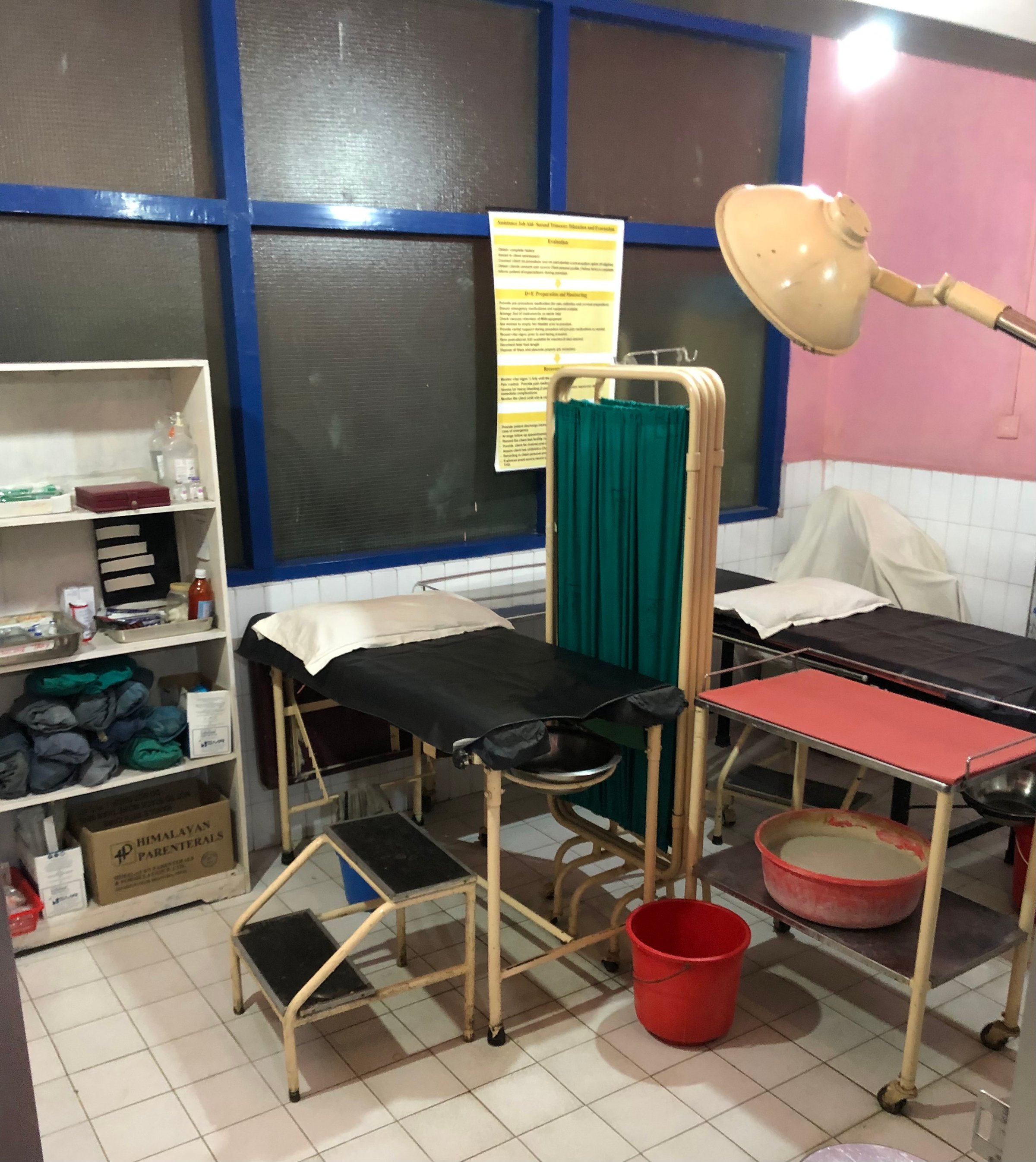
In Nepal, those analyses became inputs to design sprints with health providers, NGOs, and in-country partners. We asked what could materially change access and availability, imagined what success might look like without today’s constraints, then worked backward toward a strategy that could operate across Nepal’s geographic and cultural complexity.
Government ownership by design
The resulting strategy committed $8 million over six years, with objectives staged in two-year increments and foundation support designed to decline as government absorbed greater responsibility. By the time the work reached the Ministry of Health, it had already been shaped by the organizations responsible for implementation. Ministry officials reviewed, recalibrated, and endorsed the vision, and the strategy lived inside Nepal’s national reproductive-health framework instead of beside it.
This was one of my first experiences seeing design operate at the level of a system rather than a product. The broader human-centered strategy approach became a model used in subsequent country-planning work at the Foundation—and helped set the direction for the kind of work I later went to Stanford to deepen.
What this project taught me
Three lessons from Nepal I still carry into strategy work.
Quantitative evidence frames the problem; local knowledge shapes the answer.
Make the system visible through rigorous research, then conduct fieldwork to learn what the data alone cannot see.
Government ownership should be designed from the beginning.
Sustainability is planned from the first draft, and it puts ownership squarely within government authority.
A durable funding strategy should contain its own transition plan.
Philanthropy’s role is catalytic, not permanent: foundation support steps down on a planned schedule as public systems take the lead, so a shrinking budget line signals progress rather than retreat.
Years later, this is still one of my favorite projects I've ever worked on.
Due to the sensitive nature of this work, documentation is limited. I’m happy to discuss this project in more detail. Get in touch.